Because I had hidden it inside the one place Poonam Maasi never thought a thirteen-year-old girl would dare touch.

Because I had hidden it inside the one place Poonam Maasi never thought a thirteen-year-old girl would dare touch.

Her own temple bag.

The red velvet one she carried every Tuesday to the Hanuman mandir.

The same bag she had left hanging behind our kitchen door two nights ago when she came “just to check on us.”

Advertisement

I had not put it there to frame her.

I had put it there because Uncle Harish said, “Beta, evidence must stay safe, not inside your trembling hands.”

So we wrapped the bracelet in a clean handkerchief, placed it in a transparent plastic cover, and slipped it into the red temple bag only after recording everything on his phone.

Then Uncle Harish locked his door, called his lawyer nephew, and told me one thing.

“When police come, you don’t cry first. You speak first.”

But when I saw Mummy entering the lane with tired feet and the police walking toward her, every brave sentence ran away from my mouth.

“Mummy!” I screamed from the window.

She looked up.

Her face had confusion first.

Then fear.

Not for herself.

For me.

Because mothers think of daughters even when police reach for their bags.

One constable caught her wrist.

“Meera Sharma?”

“Yes,” Mummy said, breathless. “What happened?”

Poonam Maasi rushed forward, crying like some old film heroine.

“Didi, why did you do this? You could have asked me for money. Why steal?”

Mummy stared at her.

“Steal?”

The inspector took the black office bag from her shoulder.

“Madam, we have information that stolen jewellery from the South Extension exhibition is in this bag.”

Mummy’s face went white.

“What? No. This is my office bag. I came straight from work.”

Poonam sobbed louder.

“Search it, sir. I am ashamed, but truth is truth.”

Truth.

That word in her mouth sounded dirty.

The inspector unzipped the bag.

Tiffin cloth.

Old purse.

Bus pass.

Small bottle of pain balm.

One packet of glucose biscuits.

Nothing.

He searched again.

Nothing.

Poonam’s crying stopped.

Completely.

Her eyes flew to the third-floor window.

To me.

And in that one second, she knew.

I knew.

She stepped back.

The inspector turned.

“Where is the jewellery?”

Poonam swallowed.

“I… I was told…”

“By whom?”

She looked at Mummy.

Then at me.

Then at Uncle Harish, who had just come down the stairs holding a pen drive, his phone, and Poonam’s red temple bag.

My aunt’s face lost every drop of blood.

Uncle Harish stood beside the inspector.

“Sir, before you arrest an innocent woman, please see this.”

Poonam lunged.

“No!”

That one word finished her.

Nobody innocent screams before evidence is opened.

The inspector took the phone from Uncle Harish.

On the screen, Poonam entered our flat at 11:18 a.m.

Grey hoodie.

Gloves.

Spare key.

Seven minutes later, she came out smiling.

The inspector watched without blinking.

Mummy watched too.

Her lips parted.

She looked at her sister like she was seeing a stranger wearing a familiar face.

“Poonam,” she whispered. “You came into my house?”

Poonam folded her hands instantly.

“Didi, I can explain.”

But Uncle Harish had already opened the red temple bag.

Inside was the bracelet.

White gold.

Emerald stones.

Diamond pattern.

Even under the weak staircase bulb, it looked like something from another world.

A neighbour gasped.

Someone whispered, “Hai Bhagwan.”

The inspector’s eyes hardened.

“Whose bag is this?”

Poonam said nothing.

Mummy said softly, “Hers.”

The word broke more than the silence.

The inspector turned to Poonam.

“You filed the complaint?”

Poonam shook her head too fast.

“No, sir, I only informed. I only got information. Someone told me—”

“Who gave you the bracelet?”

She stepped back.

“I don’t know.”

My voice came before fear could stop it.

“Maasi said on the phone that today Mummy’s saint act would end.”

Everyone looked at me.

I wanted to hide behind Mummy.

But then I saw her wrist.

The same wrist that had carried shopping bags, gas cylinders, school bags, and our whole life.

That wrist was shaking.

So I walked down the last few steps.

“I heard her,” I said. “She said Mummy would be dragged out in handcuffs in front of me.”

Poonam’s eyes sharpened.

“You little liar.”

Mummy moved so fast I almost didn’t see it.

She stepped between us.

“Do not call my daughter a liar.”

For years, Ma had spoken softly.

To neighbours.

To shopkeepers.

To relatives.

To Poonam.

That evening, her voice sounded like a locked door finally bolting from inside.

The inspector nodded to the constable.

“Take her.”

Poonam began screaming then.

Not crying.

Screaming.

“You think I did this alone? Ask your saint mother why everyone hates her. Ask her why Papa left the house papers to her. Ask her why your Nana trusted only Meera. She took everything!”

Mummy froze.

The neighbours leaned closer.

Poonam laughed wildly.

“Yes, Didi. Now act innocent. You always acted innocent. Papa gave you the Lajpat Nagar flat. He gave you the locker key. He gave you Maa’s bangles. What did I get? Lectures? Leftover sarees? Your pity?”

Mummy’s face changed.

Pain.

Old pain.

The kind I had never seen because she had hidden it behind routine.

“You wanted me arrested because of property?” she asked.

Poonam spat near her feet.

“I wanted you ruined.”

The inspector held her arm.

She twisted away.

“No! Ask her about the locker. Ask her what is inside.”

Mummy’s eyes went to the red temple bag.

Then to me.

For the first time, I saw fear in my mother’s face that had nothing to do with police.

The inspector noticed too.

“What locker?”

Mummy did not answer.

Poonam smiled.

There it was again.

Poison finding air.

“The locker our father left. The one Meera Didi has hidden for thirteen years.”

Thirteen years.

My age.

A cold feeling moved through my stomach.

“Mummy?” I whispered.

She closed her eyes.

“Kavya, go upstairs.”

“No.”

Her eyes opened.

I had never said no to her like that.

Not seriously.

Not with my whole body.

“I am not going upstairs.”

The inspector looked from Mummy to Poonam.

“This matter will be handled at the station.”

Poonam laughed.

“Good. Take me. But if I go, Didi comes too. The bracelet was stolen from a jewellery exhibition, yes. But ask who knew the owner’s locker schedule. Ask who worked as cashier near the vault desk last week. Ask who signed the temporary access register.”

Mummy turned pale.

“I signed because my manager asked me to collect cash slips.”

Poonam tilted her head.

“And now the bracelet appears in your house. Very convenient.”

Uncle Harish stepped forward.

“Inspector sahib, there is video of this woman planting it.”

“Yes,” the inspector said. “And now we need to know where she got it.”

Poonam’s smile disappeared.

For the first time, she looked truly afraid.

Not because she had tried to destroy my mother.

Because someone bigger than her had not expected failure.

At the police station, Mummy sat on a wooden bench with me holding her hand.

Her palm was cold.

Poonam sat across the room, bangles removed, hair messy, eyes full of hatred.

She did not look like my Maasi anymore.

She looked like a crack in our bloodline.

The inspector played the CCTV again.

Then he opened the bracelet packet.

Then he called the jewellery store owner.

Within an hour, a large man in a cream kurta arrived with two security guards and a lawyer.

Mr. Dhanraj Bedi.

Owner of Bedi Jewels.

He saw the bracelet and almost cried.

“This belonged to my mother,” he whispered.

Then he looked at Mummy.

“You work at Pacific Mall?”

Mummy nodded.

“Yes.”

“Did anyone approach you last week?”

She looked confused.

“Many customers approach the cash counter.”

“No. Someone from my staff?”

Mummy thought for a moment.

Then her eyes narrowed.

“A man asked if I could keep one envelope in my bag until evening. I refused.”

The inspector leaned forward.

“What man?”

Mummy swallowed.

“I don’t know his name. But he was with Poonam once.”

All eyes turned to Poonam.

She looked away.

The inspector slapped the table.

“Name.”

Poonam said nothing.

Mr. Bedi’s lawyer opened a file and placed a photo on the table.

“Was it him?”

Mummy stared.

Then nodded.

“Yes.”

My aunt shut her eyes.

Mr. Bedi whispered, “Rohit Bedi. My nephew.”

The room shifted.

Not stolen by strangers.

Family again.

Always family.

The inspector looked at Poonam.

“You and Rohit Bedi planned to frame Meera Sharma?”

Poonam broke then.

Not with guilt.

With panic.

“He said nobody would get hurt! He said only Meera Didi would be questioned. The bracelet would be recovered. Insurance would pay. He would give me twenty lakh.”

Mummy’s hand left mine.

Slowly.

As if even touching family had become painful.

“You sold me for twenty lakh?”

Poonam looked at her.

“You already had everything.”

Mummy stood.

“No, Poonam. I had responsibility. You mistook it for wealth.”

Poonam laughed through tears.

“You always talk like some devi. Always sacrifice, sacrifice. I wanted to see you fall once.”

Mummy’s voice became soft.

“I fell many times. You were only too jealous to notice.”

That silenced her.

For one second.

Then Poonam leaned forward and whispered, “Ask your daughter why Nana wrote her name in the locker papers.”

Mummy went still.

I felt her whole body freeze beside me.

“My name?” I asked.

The inspector looked at Mummy.

“What is she talking about?”

Mummy sat again.

Her lips trembled.

“When my father died, he left a locker. I never opened it.”

Poonam screamed, “Liar!”

“I didn’t,” Mummy said. “Because the instruction said it was for Kavya when she turned eighteen.”

My heartbeat changed.

“For me?”

Mummy looked at me with eyes full of things she had swallowed for years.

“I wanted you to have something no one could take.”

Poonam started laughing.

A terrible laugh.

“You still don’t know, Didi. You think Papa left jewellery? Money? Blessings? He left proof.”

Mummy’s face changed.

“What proof?”

Poonam smiled slowly.

“The proof of who Kavya’s father really is.”

The room went silent.

My ears began ringing.

Mummy’s hand flew to her mouth.

I stepped back.

“What does that mean?”

No one answered.

Not fast enough.

So I looked at Ma.

“Mummy. What does she mean?”

Mummy turned toward me.

Tears filled her eyes.

“Kavya…”

That one word told me my life was about to split.

The inspector cleared his throat.

“This is not the place—”

“No,” I said.

My voice shook, but I did not stop.

“Everyone keeps saying I’m a child. But today I saved my mother from prison. So someone will tell me the truth.”

Mummy closed her eyes.

Poonam watched us with cruel satisfaction.

She had lost tonight, but she had found one more knife.

Mummy opened her eyes again.

“Your father did not die before you were born,” she said.

I felt the floor vanish.

All my life, I had been told Papa died in an accident when Ma was pregnant.

A photo on the shelf.

A garland every year.

A few stories.

A man turned into absence.

“He is alive?” I whispered.

Mummy began crying.

“I don’t know.”

“What do you mean you don’t know?”

She reached for me.

I stepped back.

It hurt her.

It hurt me more.

Poonam spoke from across the room.

“She knows. She always knew.”

Mummy turned on her.

“No. You don’t get to speak now.”

Then she looked at me again.

“When I was pregnant, your father disappeared after exposing a money laundering scheme involving Bedi Jewels and some mall contractors. Police found his scooter near Yamuna bridge. Blood. Wallet. Phone. No body.”

My mouth went dry.

“No body?”

“They declared him dead after months. Your Nana never believed it. He collected papers. Recordings. Names. He put everything in that locker. He said if anything happened to him, I must keep you away from that fight until you were old enough.”

The bracelet on the table glittered under the tube light.

Suddenly, it no longer looked like jewellery.

It looked like a key.

Mr. Bedi stood abruptly.

“This is irrelevant. My bracelet was recovered. I want my property and action against the accused.”

The inspector looked at him.

“You will get both. After we ask why your nephew gave stolen jewellery to this woman and why your name keeps appearing in an old missing-person matter.”

Mr. Bedi’s face hardened.

“My lawyer will respond.”

The inspector smiled without warmth.

“I was hoping he would.”

At midnight, Rohit Bedi was picked up from his farmhouse road.

By morning, the police had found burner phones, insurance documents, and a photo of my mother’s office bag taken two days before the trap.

Poonam signed a statement.

Not because she repented.

Because Rohit had already blamed everything on her.

That is how cowards love.

By pushing women first into fire.

Mummy and I returned home at 5 a.m.

The sky was grey.

Our lane smelled of wet dust and early tea.

For the first time, our house did not feel small.

It felt like it had survived a storm with broken windows but standing walls.

Mummy went straight to the cupboard and took out a small steel key taped behind an old framed photo of Nana.

She placed it in my palm.

“Locker 47. Punjab National Bank. Chandni Chowk branch.”

My fingers closed around it.

“Why now?”

She touched my face.

“Because after tonight, hiding will not protect us.”

At ten that morning, we reached the bank with Uncle Harish and the inspector.

The manager was old enough to remember Nana.

He looked at the key, then at me.

“So the child has come.”

I hated that word now.

Child.

The locker room was cold.

The metal door opened with a sound like a secret clearing its throat.

Inside was no jewellery.

No cash.

No gold.

Only a brown folder, three pen drives, a faded diary, and one photograph.

I picked up the photograph first.

A man stood beside Mummy.

Young.

Tall.

Smiling.

His hand rested on her pregnant stomach.

My throat closed.

“My father?”

Mummy nodded, crying silently.

“Arjun Sen.”

His eyes looked like mine.

Not the dead man in the garlanded photo at home.

The garlanded photo was blurry, old, distant.

This man was alive in the paper.

Behind us, the inspector opened the folder.

His face changed by the second page.

“What is it?” Mummy asked.

He did not answer immediately.

He placed one document on the table.

It was a hospital birth record.

My name.

My birth date.

Mother: Meera Sharma.

Father: Arjun Sen.

Then a second line written later in red ink.

**Witness protection request rejected.**

I looked at Mummy.

“What witness protection?”

Before she could answer, the bank manager returned hurriedly.

“Madam, someone is asking for you outside.”

The inspector frowned.

“Who?”

The manager looked at me.

“A man. He says his name is Arjun Sen.”

My body stopped breathing.

Mummy gripped the table.

“No,” she whispered.

The inspector pulled his gun halfway from his holster.

Uncle Harish stood in front of me.

The manager swallowed.

“He said to tell Kavya one thing.”

My voice barely came out.

“What?”

The manager looked terrified.

“He said, ‘Tell my daughter the bracelet was not stolen for money. It was stolen to bring her to the locker.’”

Mummy turned toward me, white as paper.

The door outside the locker room creaked.

Footsteps came closer.

And for the first time in thirteen years, the man everyone had called dead was walking toward the daughter who had just found his name.

If Kavya’s courage, Meera’s betrayal, and the truth behind the stolen bracelet shook your heart, write what you feel in the comments and follow the page—because the aunt’s trap has opened Nana’s locker, and the father who was supposed to be dead has finally returned.

Because I had hidden it inside the one place Poonam Maasi never thought a thirteen-year-old girl would dare touch. Read More

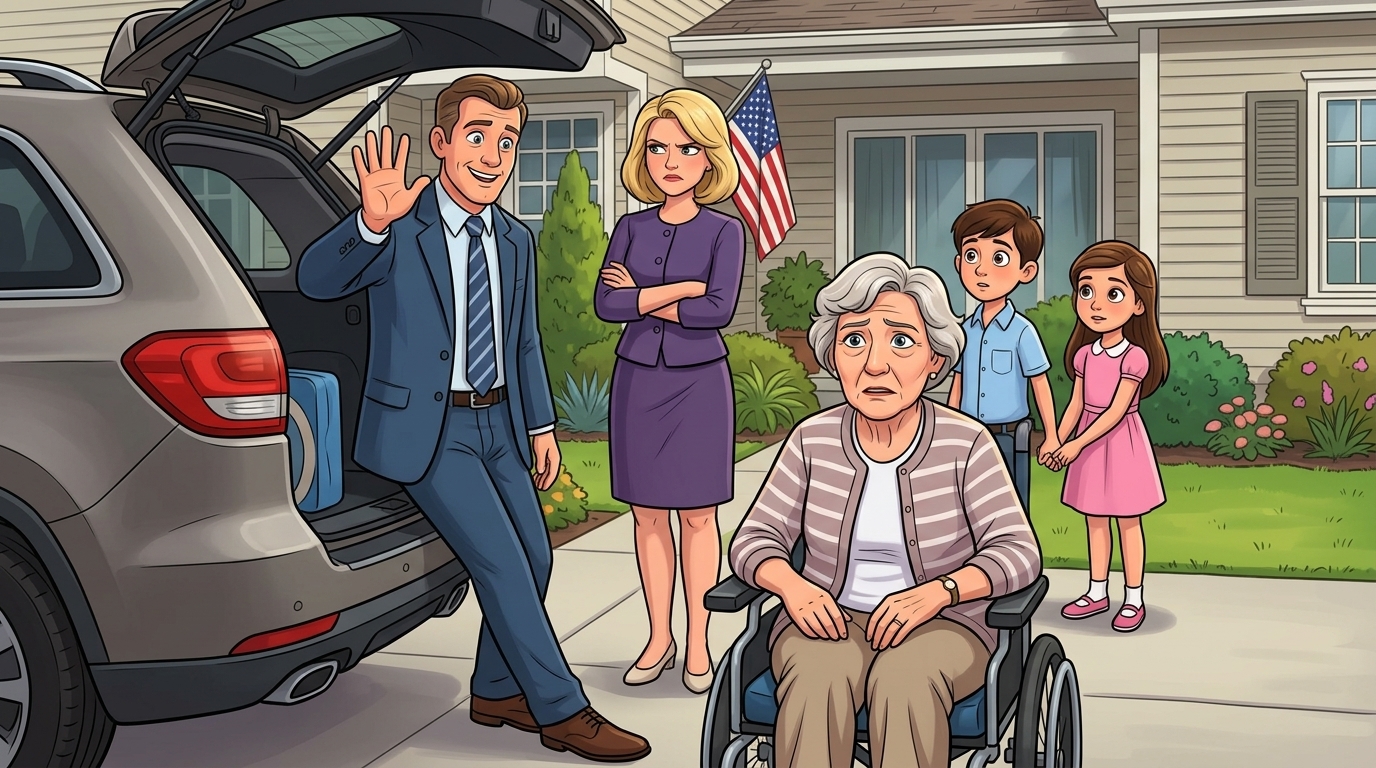
After years of supporting my son, he told me I wasn’t welcome anymore.

After years of supporting my son, he told me I wasn’t welcome anymore.


At seventy-seven years old, I didn’t receive many messages that surprised me anymore.

This one did.

It was from my son, Wesley.

At first, I assumed he was checking whether I needed a ride to dinner. After all, his family had invited me earlier that week. I had even baked Lily’s favorite apple pie.

Instead, I read a message that made my hands go cold.

The invitation had been canceled.

Wesley explained that Serena, his wife, thought it would be better if I didn’t attend.

No explanation.

No apology.

No attempt to soften the blow.

Just a polite rejection disguised as a practical decision.

For several minutes, I sat alone in my kitchen staring at the screen.

The pie cooled on the counter.

The table remained empty.

And a painful realization slowly settled over me.

This wasn’t really about dinner.

It never was.

This was simply the latest chapter in a story that had been unfolding for years.

I had spent most of my adult life helping Wesley.

When he struggled in college, I paid tuition.

When he couldn’t afford rent, I covered it.

When unexpected medical bills appeared, I wrote checks.

When he married Serena, I contributed to the wedding.

When they bought their first home, I helped with the down payment.

When financial emergencies arose, somehow I always became the solution.

I never complained.

I never kept score.

At least, that’s what I told myself.

But sitting alone that evening, I opened an old filing cabinet and discovered the truth.

Part of me had been keeping score all along.

Inside were decades of records.

Canceled checks.

Mortgage payments.

Insurance contributions.

Emergency transfers.

College tuition statements.

Hundreds of thousands of dollars spread across years of quiet sacrifice.

The deeper I dug, the more shocked I became.

Not because of the amount.

Because of what it represented.

Every document was evidence of my presence in Wesley’s life.

And yet somehow, despite all of it, I had become optional.

I looked around the silent house and thought about my late husband, Arthur.

He used to tell me something I never fully understood.

“Love should be given freely,” he would say. “But never at the expense of your own dignity.”

That night, his words finally made sense.

The next morning, I made an appointment with my banker.

Lydia Chen had worked with me for years.

She greeted me warmly and assumed we were reviewing retirement accounts.

Instead, I handed her a folder.

“I need to stop every recurring payment connected to my son’s household.”

She looked surprised.

Then concerned.

Then understanding.

Together, we reviewed everything.

Mortgage assistance.

Insurance premiums.

Utility contributions.

Educational funds.

Automatic transfers.

The list seemed endless.

Some of the payments had been active so long that I barely noticed them anymore.

They had become part of my routine.

Part of my identity.

Part of how I remained relevant.

One by one, I canceled them.

When the final signature was complete, I expected guilt.

Instead, I felt relief.

Not because I wanted Wesley to struggle.

Because for the first time in years, I felt honest.

A week later, my front door flew open.

Wesley and Serena stormed into my living room.

They looked panicked.

Confused.

Angry.

“What happened to the mortgage payment?” Wesley demanded.

“And the insurance?” Serena added.

“Why are accounts suddenly missing money?”

Lydia happened to be present that day finalizing paperwork.

She quietly remained in the room while I answered.

For the first time in years, I didn’t apologize.

I didn’t explain.

I didn’t soften my words.

I simply told the truth.

I explained how much support I had provided.

How often I had rearranged my life to solve their problems.

How painful it felt to be useful when money was needed but unwelcome when family gathered.

The room grew silent.

Wesley’s expression slowly changed.

The anger disappeared first.

Then the defensiveness.

Then something else took its place.

Recognition.

For perhaps the first time, he saw the full picture.

Not isolated favors.

Not occasional assistance.

An entire system holding parts of his life together.

A system he had started taking for granted.

“I’m not doing this to punish you,” I told him quietly.

“I’m doing this because you don’t need me to pay your bills anymore.”

Neither Wesley nor Serena responded immediately.

Because there wasn’t much to say.

The truth had finally been spoken aloud.

The weeks afterward were difficult.

There were no phone calls.

No visits.

No messages.

The silence hurt.

More than I expected.

For years, helping them had given me purpose.

Without that role, I felt strangely lost.

Then something unexpected happened.

I started living again.

I joined a bridge club at the local library.

I attended community events.

I met people who knew nothing about my financial history.

People who liked me simply because they enjoyed my company.

I started gardening again.

Started reading more.

Started laughing more.

Little by little, I stopped waiting for someone else to need me.

And started asking what I needed.

Then one afternoon, a letter arrived.

Handwritten.

From Wesley.

I recognized his handwriting immediately.

My hands trembled while opening it.

Inside were several pages.

No excuses.

No blame.

No requests.

Just honesty.

He admitted he had become dependent.

He admitted he had taken my support for granted.

He admitted he had failed to recognize how much of his life rested on sacrifices I never discussed.

Most importantly, he apologized.

Not because the money stopped.

Because he finally understood the loneliness behind it.

Months later, Wesley visited alone.

No Serena.

No agenda.

No financial emergency.

Just my son.

We sat at the kitchen table for hours.

Talking.

Really talking.

About mistakes.

About responsibility.

About family.

About the kind of man he wanted to become.

The conversation wasn’t perfect.

Healing rarely is.

But it was real.

And that mattered more.

A year later, Wesley and my granddaughter Lily came for dinner.

Nothing extravagant.

Just family.

Laughter filled the house again.

At one point during the evening, Lily reached into her pocket and handed me a cookie she had been saving all afternoon.

It wasn’t expensive.

It wasn’t dramatic.

It wasn’t life-changing.

Yet somehow it meant more than every check I had written over the previous twenty years.

Because it wasn’t given out of obligation.

It was given out of love.

As I watched my son helping clear the dishes, I realized something important.

For years, I believed supporting my family meant solving every problem.

Paying every bill.

Removing every obstacle.

But real love isn’t measured by how much you give.

It’s measured by what remains when the giving stops.

The boundaries I established didn’t destroy my family.

They revealed it.

And once the transactions disappeared, something far more valuable finally had room to grow.

Respect.

Honesty.

Responsibility.

Connection.

For the first time in a very long time, I wasn’t sitting at the table because of what I provided.

I was there because I belonged.

And that was all I had ever wanted.

After years of supporting my son, he told me I wasn’t welcome anymore. Read More

Analyse d’une descente aux enfers familiale

Analyse d’une descente aux enfers familiale

Le programme “Pascal le Grand Frère” a indéniablement marqué le paysage audiovisuel français, devenant un miroir parfois brutal des difficultés relationnelles au sein de nombreuses familles.

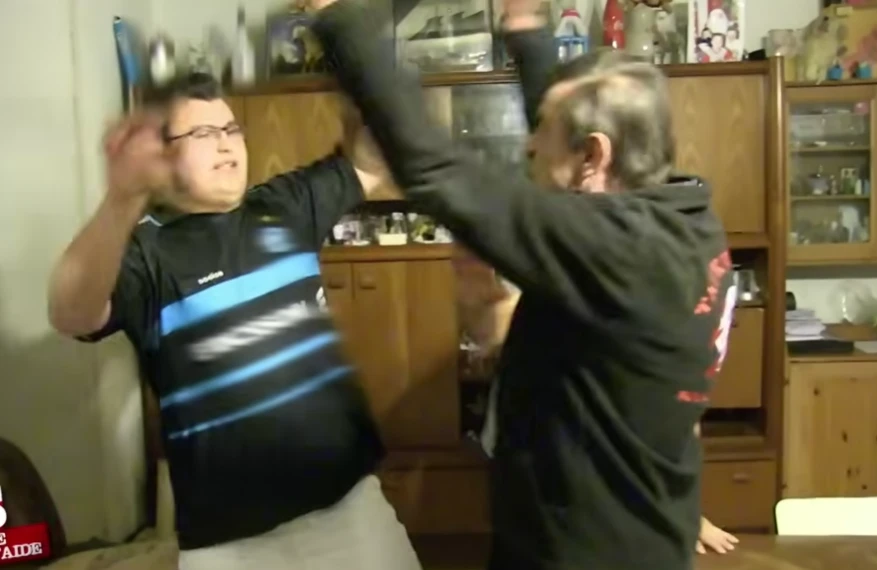
La compilation BEST OF Pascal le Grand Frère : Les Meilleures Disputes & Bagarres 3 ! offre une plongée sans filtre dans le quotidien de ces foyers en crise, où l’incompréhension mutuelle a engendré une escalade de tension permanente. Cette vidéo ne se contente pas de montrer des confrontations ; elle documente la dégradation du lien social et affectif lorsque les mécanismes de communication traditionnels s’effondrent.

La structure de la violence verbale et symbolique

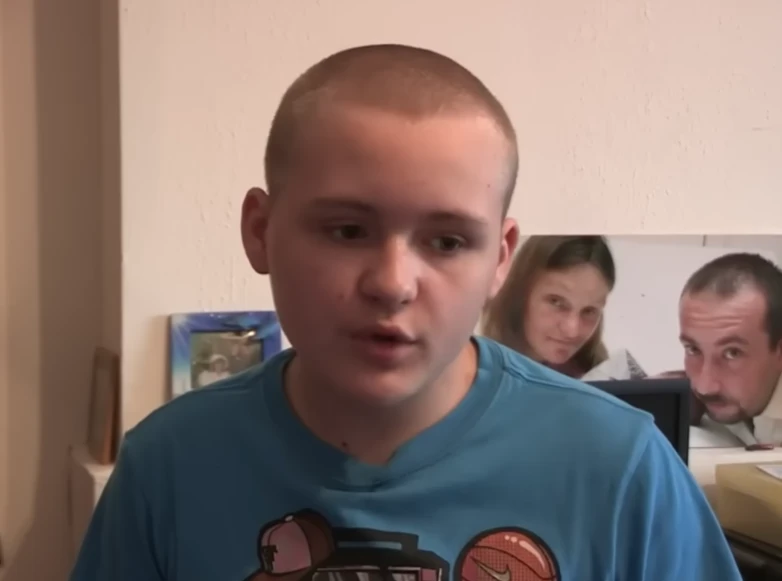
Dès les premières minutes, ce qui frappe le spectateur, c’est la nature de l’agressivité employée. Les dialogues ne sont plus des outils d’échange, mais des armes. L’adolescent, souvent retranché dans une posture de toute-puissance illusoire, utilise l’insulte pour maintenir une barrière infranchissable entre lui et l’autorité parentale.

Les échanges capturés dans cette vidéo démontrent une constante : l’utilisation du mépris pour masquer une profonde insécurité. En s’attaquant verbalement aux figures parentales, les jeunes protagonistes tentent désespérément de préserver une autonomie qu’ils ne sont pas encore prêts à assumer, créant un paradoxe où leur quête de liberté devient leur propre prison.

La figure du parent, quant à elle, oscille entre épuisement total et tentatives maladroites de reprise en main. Le sentiment d’impuissance qui émane des parents est palpable. Ils ne sont plus perçus comme des guides, mais comme des obstacles aux désirs immédiats de l’enfant. Cette dynamique de “donnant-donnant” toxique — où le respect semble être une marchandise que l’on négocie — est le cœur battant du mal-être mis en scène ici.

Pascal Soetens : l’intervention dans l’arène

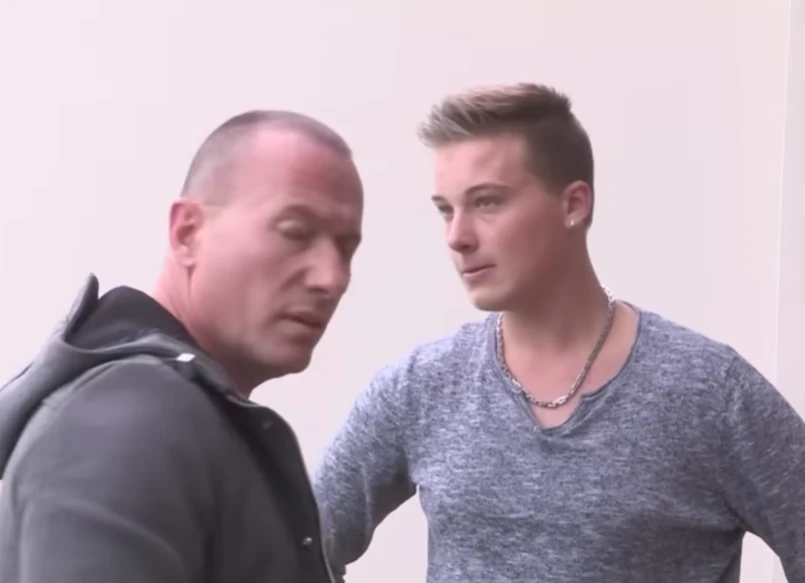
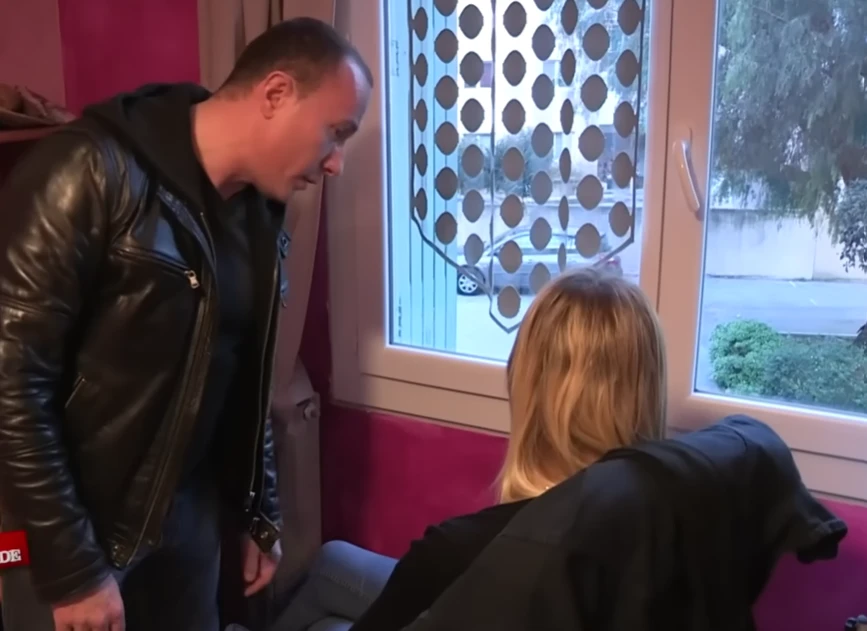
L’arrivée de Pascal Soetens change la nature du conflit. Il ne se contente pas de séparer les belligérants ; il agit comme un catalyseur de vérité. Sa méthode est d’autant plus efficace qu’elle est dénuée de complaisance. Là où les proches, par amour ou par épuisement, finissent par céder ou par ignorer, Pascal impose une confrontation directe avec les faits.

Le rôle du “Grand Frère” dans ces séquences est celui d’un médiateur qui absorbe la violence pour l’empêcher d’atteindre le point de rupture. Il force chaque protagoniste à regarder la réalité de son comportement. On observe fréquemment ce moment charnière où l’adolescent, habitué à ce que ses crises lui permettent d’obtenir gain de cause, se retrouve face à un mur.

Pascal utilise souvent le langage corporel — une présence physique imposante — pour signifier que les règles ne sont pas facultatives. C’est ce retour à des limites physiques et comportementales claires qui constitue, bien souvent, le premier pas vers une possible reconstruction.

Les enjeux sociétaux sous-jacents

Au-delà de l’aspect sensationnaliste inhérent à ce type de programmes, ces confrontations nous interrogent sur le rôle des nouvelles technologies et de l’isolement social. Le téléphone portable, par exemple, apparaît comme un objet de pouvoir, un cordon ombilical que l’adolescent refuse de couper, symbole de son monde virtuel où il se sent en contrôle, contrairement à la réalité où il est en échec.

Les disputes autour de l’implication scolaire, de la recherche d’emploi ou de la participation aux tâches domestiques reflètent un fossé générationnel élargi par une perte de repères collectifs.

La vidéo montre que, dans ces foyers, le “vivre-ensemble” est devenu une notion abstraite. L’absence de rituels partagés — comme le simple fait de manger ensemble autour d’une table sans conflit — souligne une désintégration de la cellule familiale. Les scènes où les participants se rejettent la faute, s’accusant mutuellement de tous les maux, sont le symptôme d’une incapacité à formuler ses propres émotions sans passer par le prisme de l’attaque.

Une réflexion sur l’autorité

L’autorité, ici, n’est pas synonyme de pouvoir coercitif, mais de responsabilité. Ce que Pascal tente d’enseigner, c’est que le respect ne s’exige pas par le cri, mais s’obtient par la constance. Les meilleures séquences de cette compilation sont paradoxalement les plus calmes, celles où Pascal, après l’orage, demande aux protagonistes d’exprimer ce qu’ils ressentent réellement.

C’est dans ces moments de vulnérabilité, une fois que l’agressivité a été évacuée, que l’on perçoit la véritable souffrance : celle d’un enfant qui a besoin d’être contenu et d’un parent qui a besoin de retrouver sa place.

Toutefois, il est important de porter un regard critique sur le format. Le montage “Best Of” privilégie les pics de tension pour capter l’attention du spectateur, ce qui peut occulter le travail pédagogique de fond réalisé hors caméra. Cette compilation doit être vue pour ce qu’elle est : un condensé de moments de crise intense qui ne représente pas l’intégralité du processus éducatif, mais qui illustre parfaitement les obstacles majeurs rencontrés par ces familles.

Conclusion

En conclusion, cette vidéo constitue un document saisissant sur la crise de l’adolescence lorsqu’elle est exacerbée par un environnement familial déstructuré. Elle rappelle la complexité du métier d’éducateur et la difficulté, pour tout parent, de maintenir un cap ferme face à une violence dont il n’est pas toujours responsable, mais dont il est souvent la cible.

Si ces images sont parfois difficiles à regarder, elles demeurent essentielles pour comprendre que derrière chaque cri et chaque insulte, il y a une demande latente : celle d’un cadre, d’une écoute et, in fine, d’une reconnaissance. Pascal le Grand Frère, par sa persévérance et son refus de laisser tomber, nous montre que, même au cœur du chaos, la réconciliation reste une possibilité si chaque partie accepte de baisser les armes et de regarder l’autre avec humanité.

Une réflexion sur l’autorité

L’autorité, ici, n’est pas synonyme de pouvoir coercitif, mais de responsabilité. Ce que Pascal tente d’enseigner, c’est que le respect ne s’exige pas par le cri, mais s’obtient par la constance. Les meilleures séquences de cette compilation sont paradoxalement les plus calmes, celles où Pascal, après l’orage, demande aux protagonistes d’exprimer ce qu’ils ressentent réellement.

C’est dans ces moments de vulnérabilité, une fois que l’agressivité a été évacuée, que l’on perçoit la véritable souffrance : celle d’un enfant qui a besoin d’être contenu et d’un parent qui a besoin de retrouver sa place.

Toutefois, il est important de porter un regard critique sur le format. Le montage “Best Of” privilégie les pics de tension pour capter l’attention du spectateur, ce qui peut occulter le travail pédagogique de fond réalisé hors caméra. Cette compilation doit être vue pour ce qu’elle est : un condensé de moments de crise intense qui ne représente pas l’intégralité du processus éducatif, mais qui illustre parfaitement les obstacles majeurs rencontrés par ces familles.

Conclusion

En conclusion, cette vidéo constitue un document saisissant sur la crise de l’adolescence lorsqu’elle est exacerbée par un environnement familial déstructuré. Elle rappelle la complexité du métier d’éducateur et la difficulté, pour tout parent, de maintenir un cap ferme face à une violence dont il n’est pas toujours responsable, mais dont il est souvent la cible.

Si ces images sont parfois difficiles à regarder, elles demeurent essentielles pour comprendre que derrière chaque cri et chaque insulte, il y a une demande latente : celle d’un cadre, d’une écoute et, in fine, d’une reconnaissance. Pascal le Grand Frère, par sa persévérance et son refus de laisser tomber, nous montre que, même au cœur du chaos, la réconciliation reste une possibilité si chaque partie accepte de baisser les armes et de regarder l’autre avec humanité.

Analyse d’une descente aux enfers familiale Read More

L’art de la médiation selon Pascal le Grand Frère

L’art de la médiation selon Pascal le Grand Frère

Analyse : L’autorité face au chaos – L’art de l’arrivée selon Pascal

Le programme Pascal le Grand Frère a marqué durablement le paysage audiovisuel français, s’imposant comme un miroir parfois brut, mais toujours révélateur, des fractures qui peuvent traverser la cellule familiale. La compilation BEST OF Les Meilleures Arrivées de Pascal ne constitue pas un simple divertissement ; elle est un document saisissant sur la gestion de crise, l’autorité et la complexité des relations humaines en milieu confiné. Chaque arrivée de Pascal Soetens marque une rupture nette avec le quotidien des familles filmées : le chaos laisse place, le temps d’un instant, à une confrontation directe avec la réalité.

La psychologie de l’arrivée : un choc de réalité

Chaque entrée en scène de Pascal Soetens est pensée comme un choc frontal. Lorsqu’il pénètre dans ces foyers, il ne s’agit pas d’une simple visite de courtoisie. Il s’immisce dans des espaces où les règles élémentaires du respect et de la communication ont volé en éclats. La tension est palpable, les cris fusent, et les participants sont souvent piégés dans une dynamique d’agressivité défensive. Pascal arrive, calme mais imposant, agissant comme un point d’ancrage.

Ce qui frappe le spectateur, c’est le contraste immédiat entre l’hystérie des protagonistes et la maîtrise de soi de l’intervenant. Pascal n’entre jamais dans le jeu de la provocation ; il le neutralise.

En exigeant un “bonjour” ou en imposant le silence dans une pièce où les insultes volent, il rappelle que la politesse n’est pas qu’une convention sociale, mais le socle de toute relation humaine saine. Cette première étape est cruciale : il ne cherche pas à s’imposer par la force physique, mais par la force de sa présence et la clarté de son cadre.

Le miroir des comportements : briser l’illusion

Les extraits montrent que l’arrivée de Pascal agit comme un révélateur. En se présentant sans préavis, il force les adolescents à sortir de leur “bulle” de toute-puissance. Les réactions observées — fuite par la fenêtre, agressivité verbale, moquerie — sont les mécanismes de défense habituels de ces jeunes. Ils cherchent à maintenir une distance, à protéger un territoire symbolique où ils pensent être les maîtres.

Pascal, fort de son expérience, identifie immédiatement ces parades. Lorsqu’il court après un jeune tentant de s’enfuir ou qu’il exige qu’une insulte soit rétractée, il envoie un message limpide : le conflit ne sera plus évité, il sera traité. Il devient le miroir de leurs propres actes, les forçant à se confronter à l’image qu’ils renvoient à leur entourage. C’est ici que l’arrivée devient un acte thérapeutique : elle interrompt la spirale de la violence quotidienne pour forcer une remise en question.

L’autorité par la présence, non par la coercition

Malgré l’image du “Grand Frère” parfois perçu comme musclé, la puissance de ses interventions réside dans sa psychologie. Pascal ne cherche pas à humilier, mais à cadrer. Lorsqu’il s’interpose lors d’une altercation, c’est pour protéger les membres les plus vulnérables du foyer — souvent la mère ou les frères et sœurs — et pour stopper l’escalade avant qu’elle ne devienne irréparable.

Sa posture est celle d’un protecteur. Il est intransigeant sur les valeurs de respect, exigeant la politesse comme une marque de considération envers l’autre. Il démontre que l’autorité n’est pas synonyme de pouvoir coercitif arbitraire, mais de responsabilité partagée.

En arrivant chez ces familles, Pascal Soetens ne vient pas pour commander, il vient pour restaurer un équilibre rompu. Il est celui qui ose affronter le regard des autres, même quand ce regard est rempli de haine ou de mépris, car il sait que derrière cette hostilité se cache souvent une profonde détresse.

Les enjeux sociétaux : le constat d’un désastre relationnel

Au-delà de l’aspect spectaculaire, ces images nous interrogent sur la crise de l’adolescence moderne, exacerbée par un environnement familial déstructuré. Les disputes, les refus de scolarisation, le mépris envers les parents ou les belles-familles, tout cela témoigne d’une perte de repères collectifs. L’arrivée de Pascal, pour ces parents épuisés, est souvent le dernier recours. Ils ont tout essayé — les mots, les punitions, les compromis — et ont fini par abdiquer face à la violence.

La compilation met en lumière la nécessité vitale d’une intervention tierce, extérieure et neutre. Dans ces foyers, le dialogue est devenu une marchandise rare, souvent utilisée pour manipuler l’autre plutôt que pour échanger. Pascal, par sa simple présence, force les participants à sortir de ce cercle vicieux. Il rappelle que la vie en communauté, même restreinte à la famille, exige des efforts de tolérance, de patience et de reconnaissance mutuelle.

Conclusion : une leçon d’humanité

En somme, ces “meilleures arrivées” sont le cœur battant du programme. Elles illustrent que tout conflit, aussi violent soit-il, peut être tempéré par une présence qui refuse de céder à l’intimidation. Pascal Soetens, par sa persévérance et son refus de laisser tomber, nous montre que même au cœur du chaos, la réconciliation reste une possibilité si chaque partie accepte de baisser les armes et de regarder l’autre avec humanité.

Ces séquences, bien qu’extraites d’une émission de télévision, portent un message universel : celui du besoin fondamental d’écoute, de limites et de respect pour construire ou reconstruire les liens qui nous unissent. Derrière chaque cri et chaque insulte, il y a une demande d’aide, et Pascal, en franchissant le seuil de ces maisons, répond présent, prêt à affronter la tempête.


L’art de la médiation selon Pascal le Grand Frère Read More

My father arrived at my birthday and saw my br:uised face. What my husband said next made him stand up, remove his watch, and send me outside.

My father arrived at my birthday and saw my br:uised face. What my husband said next made him stand up, remove his watch, and send me outside.

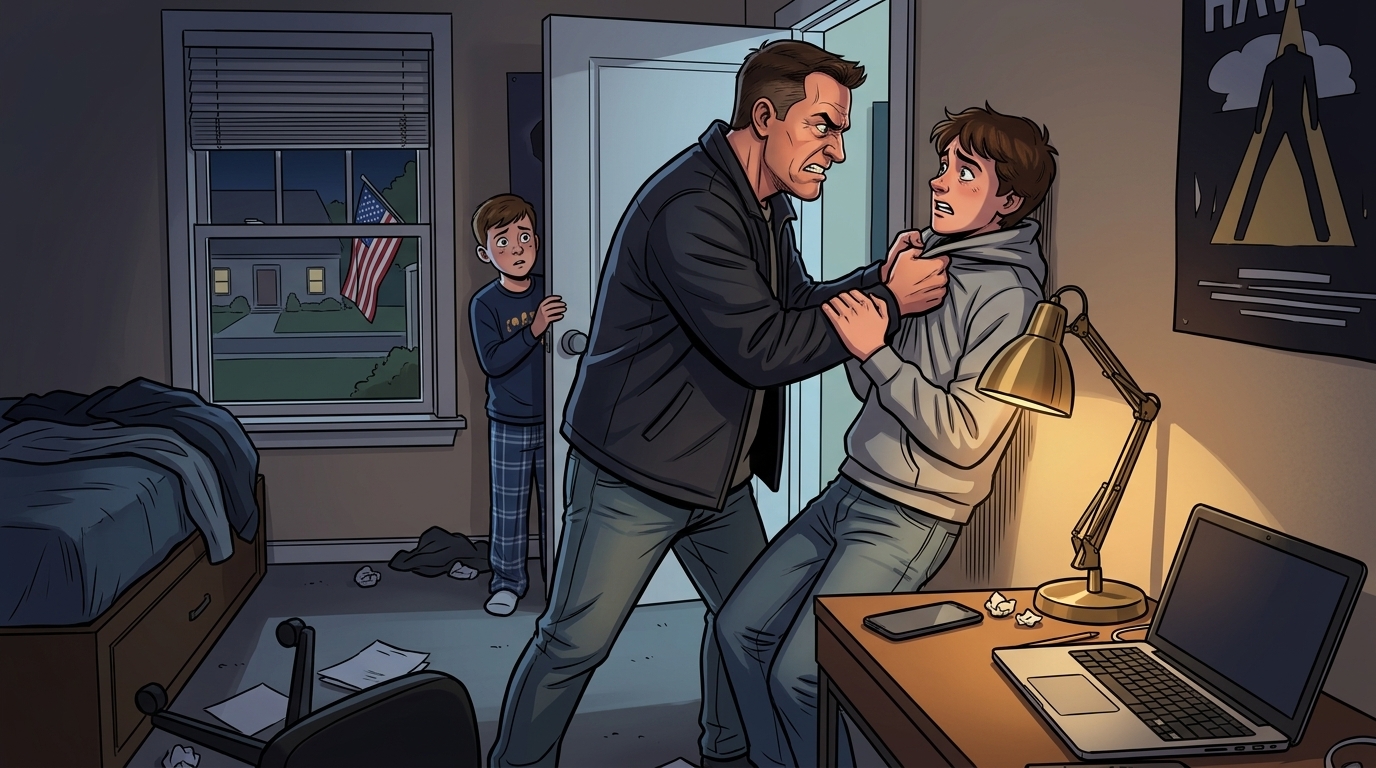
“I’m going to give you one chance,” he said to Derek. “You’re going to tell me exactly what you did to her. No jokes. No edits. No excuses.”

Derek’s smirk flickered.

“I already told you,” he said. “She was—she was disrespecting me. It’s marriage, things happen—”

Dad nodded slowly, like he had expected that answer.

Then he pressed one button.

A voice came through the phone immediately. “Bennett Security, how can we assist?”

Derek froze.

Linda stiffened.

My father didn’t raise his voice.

“Send two cars to my address,” he said calmly. “And notify Detective Harris. Tell him I have a domestic assault confession in real time.”

Derek’s face changed.

“Wait—what are you doing? You’re calling cops over a domestic argument?”

Dad looked at him again.

“This stopped being a domestic argument the moment you called it a slap like it was nothing.”

Derek took a step back. “Emily, tell him! Tell him it wasn’t like that!”

My throat tightened.

For three years, I had been trained to soften everything. To smooth it over. To protect the peace.

But something inside me cracked open.

“No,” I said quietly.

Derek blinked. “What?”

I swallowed hard.

“It was exactly like he said.”

Silence hit the room harder than anything before it.

Linda dropped into a chair like her knees had forgotten their job.

Derek stared at me like he was seeing me for the first time—and not liking what he found.

Dad didn’t move.

He just nodded once, like a door had finally closed.

The police didn’t arrive like in movies.

There were no sirens screaming down the street. No dramatic crashing doors. No chaos spilling through the house.

Just two quiet knocks.

Firm. Controlled. Official.

The kind of knock that doesn’t ask permission—it announces that something has already been decided.

Dad opened the door himself.

He didn’t step aside quickly. He didn’t rush. He looked at the officers the way a man looks at a situation he has already prepared for down to the smallest detail.

“Officer,” he said calmly, “thank you for coming.”

One of them glanced past him into the kitchen. “Domestic incident report?”

Dad nodded once. “Assault. Confession on record.”

That single sentence changed the air.

Inside the kitchen, Derek tried to speak before they even reached him.

“Look, this is completely unnecessary,” he said quickly, forcing a laugh that cracked at the edges. “It was a personal argument. My wife—she’s emotional today. It’s her birthday, you know how—”

One officer raised a hand gently.

“Sir, we’ll ask you to step back.”

That’s when Derek looked at me again.

Really looked.

Not like a husband anymore. Not like a man who owned the space. But like someone suddenly realizing the floor under him wasn’t as solid as he believed.

“Emily,” he said, softer now. “Tell them. Tell them you don’t want this.”

I didn’t answer.

And that silence did more than any words I could have said.

My father stepped closer to me, not protective in a loud way, but steady—like a wall quietly deciding it will no longer move for anyone.

“She already told the truth,” Dad said. “That’s enough.”

The officers moved.

Efficient. Professional.

One stood between Derek and the hallway. The other began reading his rights.

Derek’s voice rose now, losing its control.

“This is insane! You can’t arrest me over one mistake!”

My father finally turned his head slightly.

“One mistake,” he repeated, almost thoughtfully. “That’s what you call it when someone learns a behavior and repeats it until they believe it’s normal.”

Derek snapped. “You don’t know anything about our marriage!”

Dad’s eyes narrowed just a fraction.

“I know my daughter has been flinching when someone raises their voice for months,” he said quietly. “I know she stopped wearing short sleeves in summer. I know she stopped laughing in her own house.”

Each sentence landed heavier than the last.

Derek looked at me again, searching for the version of me that used to soften everything for him.

But she wasn’t there anymore.

Outside the House

They led him out through the front door.

The neighborhood was still normal.

That was the strange part.

A man being arrested on a quiet suburban street doesn’t break the world—it just interrupts one small corner of it.

A neighbor watering plants froze mid-motion.

A jogger slowed down.

Someone behind a curtain definitely looked, then pretended not to.

Derek resisted only once—not violently, but emotionally.

“Emily!” he called out again, twisting slightly as they guided him to the car. “Don’t do this! We can fix it! I love you!”

That word—love—used like a tool instead of a truth.

I stood on the porch.

My hands weren’t shaking anymore.

“I know what love is now,” I said quietly.

It wasn’t loud.

But he heard it.

And for the first time, he had no answer.

The door closed behind him as he was placed in the back seat.

Not slammed.

Just closed.

Like the end of something administrative.

Aftermath

The house felt different after they left.

Not peaceful exactly.

More like… reality had finally stopped pretending.

Linda sat in the living room for a long time without speaking. The pie she had brought earlier was still on the counter, untouched, the plastic container slightly fogged from condensation.

She kept adjusting her hands like she didn’t know what to do with them anymore.

“I didn’t think he was…” she started once, then stopped.

My father didn’t comfort her.

He didn’t insult her either.

He just said, “You didn’t want to think about it.”

That was worse than yelling.

Because it was true.

Linda left an hour later.

No argument. No apology that meant anything. Just a quiet exit, like someone trying to step out of responsibility before it recognizes her name.

When the door closed behind her, it was just me and my father again.

And suddenly, I felt exhausted in a way I didn’t know a body could be.

I sank into a chair at the kitchen table.

The same table where everything had collapsed.

My father didn’t sit right away.

He walked around the kitchen slowly.

Not searching.

Measuring.

Like he was making sure this place would no longer become a trap again.

Then he finally spoke.

“You should not stay here tonight,” he said.

I looked up. “I don’t have anywhere else.”

Without hesitation, he replied, “Yes, you do.”

That was the first time my throat tightened again.

Because he didn’t say it like a suggestion.

He said it like something already arranged.

That Night

My old room at my parents’ house hadn’t changed much.

Same soft yellow curtains. Same slightly crooked bookshelf. Same faint smell of laundry detergent and childhood.

But I had changed.

Sitting on that bed, I realized something strange:

Safety feels unfamiliar when you’ve been living without it for too long.

My father knocked lightly before entering, holding another blanket.

He didn’t ask questions.

He didn’t make me explain anything again.

He just placed the blanket beside me and said, “Sleep.”

I nodded.

But I didn’t.

Not immediately.

Because silence after chaos is loud in its own way.

At around midnight, I finally got a message.

Unknown number.

But I already knew who it was before I opened it.

Emily, please. Don’t ruin my life over this. I made a mistake. Everyone makes mistakes. Think about what you’re doing.

My fingers paused.

Then I deleted it.

Not out of anger.

Out of finality.

A few minutes later, another message came.

I will change. I swear I will change.

I didn’t reply.

Because I finally understood something that took me years to learn:

People don’t change because they promise to.

They change because they lose access to you.

Or they don’t change at all.

Morning

The next morning, sunlight came in through the curtains like it had nothing to apologize for.

My father was already in the kitchen, making coffee.

He looked over his shoulder when I walked in.

“Hungry?” he asked.

It was such a normal question.

So ordinary.

That it almost broke me.

I nodded.

He placed a plate in front of me—toast, eggs, fruit. Nothing special.

But it felt like something returning to its correct place.

I sat down slowly.

My hands were steady now.

For the first time in a long time, I didn’t feel like I was waiting for something bad to happen next.

I felt like the story had finally stopped happening to me.

And started being written by me.

Final Ending

A week later, I learned Derek had been formally charged.

Not just for that day.

For patterns that were now being documented, reviewed, and no longer hidden behind silence.

I didn’t follow every detail.

I didn’t need to.

My life was no longer connected to his in any meaningful way.

One afternoon, my father found me sitting outside on the porch steps.

“You okay?” he asked.

I thought about it for a moment.

Then I nodded.

“Yes,” I said. “I think I am.”

He sat beside me.

We didn’t talk for a while.

Just watched the world continue—cars passing, wind moving through trees, life doing what it always does after something ends.

Then he said quietly, “I should have seen it sooner.”

I looked at him immediately. “No.”

He frowned slightly.

“You protected me,” I said. “That’s what mattered.”

He didn’t respond right away.

Then he nodded once.

And for the first time that week, I saw him relax.

Not as a father who failed.

But as a father who finally got his daughter back.

And somewhere deep inside me, I realized something important:

Healing doesn’t always feel like happiness at first.

Sometimes it feels like silence.

Sometimes it feels like learning your own name again.

But it is still healing.

And this time—

no one was going to take it away from me.

My father arrived at my birthday and saw my br:uised face. What my husband said next made him stand up, remove his watch, and send me outside. Read More

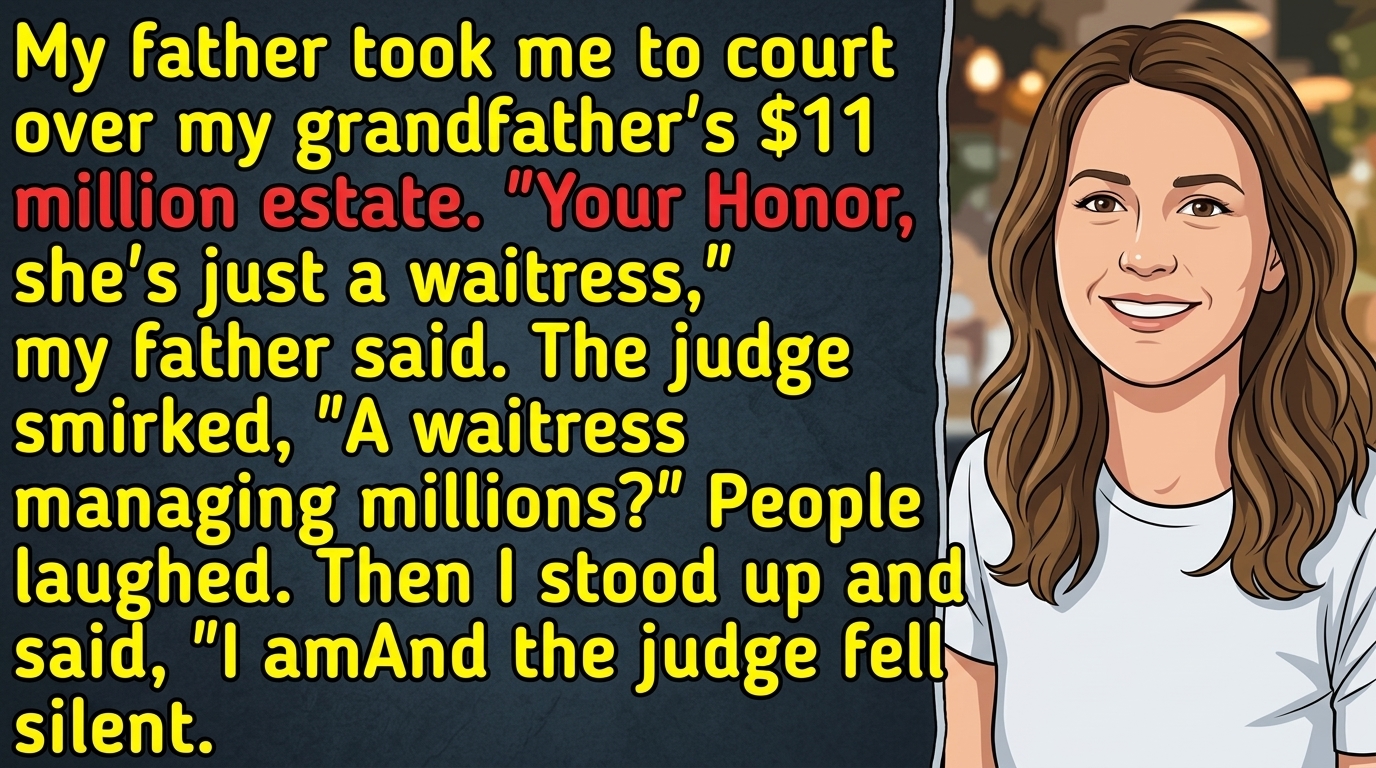
My father took me to court over my grandfather’s $11 million inheritance.

My father took me to court over my grandfather’s $11 million inheritance.


“It means I am the person who has been managing my grandfather’s private portfolio for the last four years.”

No one laughed.

Not one person.

The courtroom became so still that even the air conditioner seemed to lower its voice.

Judge Harrison looked back down at the memo.

Attorney Sterling’s confident posture cracked by half an inch.

My father’s hand froze on his tie.

I continued before anyone could interrupt.

“And before that, I assisted him for three years in tracking dividend positions, commercial property income, tax-loss harvesting notes, and liquidity planning.”

Sterling stepped forward.

“Your Honor, this is absurd. If Ms. Whitaker had any formal role—”

“I did,” I said.

My voice did not rise.

It did not need to.

I opened the folder and removed the notarized document from my grandfather’s will file.

“Exhibit A. A signed advisory authorization dated four years ago, witnessed by Mr. Paul Renner, the estate attorney.”

Sterling’s mouth tightened.

He reached for the paper, but the judge lifted one hand.

“I’ll review it first.”

That irritated Sterling.

Men like him were used to touching the documents before the people they dismissed were allowed to explain them.

Judge Harrison read.

Then read again.

His face changed in slow, humiliating degrees.

The smirk disappeared first.

Then the impatience.

Then the faint superiority he had worn when he said the words serving coffee.

By the time he reached the second page, he was no longer looking at me like a waitress.

He was looking at me like a mistake he had made on the record.

“Ms. Whitaker,” he said carefully, “this document names you as financial records assistant and portfolio continuity designee.”

“Yes, Your Honor.”

Sterling let out a sharp breath.

“That title is ceremonial.”

I turned to him.

“No, Mr. Sterling. Ceremonial titles don’t come with quarterly reporting obligations, investment committee notes, secure account access logs, and signed performance reviews.”

A murmur moved through the gallery.

This one was different from the first.

Not mockery.

Interest.

Fear, perhaps, from people who had laughed too early.

I handed another packet to the clerk.

“Exhibit B. Four years of quarterly portfolio summaries prepared by me and reviewed by my grandfather.”

The clerk passed it to the judge.

Sterling’s eyes darted toward my father.

My father was staring at the table now.

Not with shame.

With anger.

That was my father’s truest emotion.

Not regret for underestimating me.

Not grief for disrespecting his own child.

Anger that I had made underestimating me inconvenient.

Judge Harrison flipped through the first pages.

“These summaries are extensive.”

“Yes.”

“These include real estate cash flow, brokerage diversification, municipal bond maturity schedules, charitable disbursement tracking…”

“Yes.”

He looked up.

“You prepared these?”

“I did.”

Sterling laughed once.

A desperate little sound.

“Your Honor, anyone can prepare a spreadsheet.”

I looked at him.

“Not everyone can explain why my grandfather shifted out of two overleveraged real estate investment trusts in Q2 before their dividend cuts hit public guidance.”

Sterling went silent.

I continued.

“Not everyone can explain why he increased laddered municipal exposure after his tax position changed in 2021.”

Judge Harrison leaned back.

“And can you?”

“Yes, Your Honor.”

“Briefly.”

I nodded.

The courtroom waited.

Not to laugh this time.

To see whether the waitress could speak the language they had assumed belonged only to men in suits.

“My grandfather’s taxable income structure changed after he sold a minority stake in a warehouse partnership. His ordinary income exposure rose, and his prior bond allocation was not optimized for his bracket. He wanted stability without overexposure to market volatility because he was preparing the estate for transition. The municipal ladder gave predictable tax-advantaged income, kept liquidity staged, and reduced reinvestment risk.”

Judge Harrison did not blink.

Attorney Sterling looked at the floor.

I glanced once at my father.

He looked furious.

Good.

Let him be furious.

He had brought me to court to prove I was too small to inherit.

Now he had to sit there while I explained the financial architecture of the estate he wanted to control.

Judge Harrison cleared his throat.

“Continue.”

I pulled out the next document.

“Exhibit C. A sealed letter from my grandfather, addressed to the court in the event my competence was challenged by any family member.”

My father’s head snapped up.

“What?”

His voice cracked through the courtroom.

Sterling put a hand on his arm.

“Arthur.”

My father ignored him.

“There’s no letter.”

I looked at him.

“You mean there was no letter you found.”

His face reddened.

For a moment, I saw him as he had been my entire life.

A man who believed anything outside his control was an insult.

Judge Harrison took the sealed envelope.

The wax seal had already been opened by the estate attorney and copied for filing, but the original remained intact in a protective sleeve.

The judge read the front.

For the Court, should my granddaughter Cassandra Whitaker be challenged as unfit.

My grandfather’s handwriting.

Strong.

Slanted.

Unmistakable.

The judge opened the copy and began to read silently.

The courtroom watched his face.

I watched my father.

He no longer looked relaxed.

He looked cornered.

Good.

My grandfather had once told me that cornered people reveal strategy or character.

My father revealed both.

“Your Honor,” he said, rising halfway, “this is manipulation.”

Judge Harrison looked over his glasses.

“Sit down, Mr. Whitaker.”

My father sat.

Not because he respected the court.

Because everyone had seen him told to.

Judge Harrison read the letter aloud.

“Judge, if this letter is before you, then someone in my family has done exactly what I predicted.”

The room tightened.

“My granddaughter Cassandra has been underestimated her entire life because she works with her hands, speaks carefully, and refuses to decorate herself with credentials for the comfort of insecure men.”

My throat closed.

I had not read that line before.

The attorney had told me the letter existed.

He had told me it would help.

But he had not told me what my grandfather wrote.

Judge Harrison continued.

“She began assisting me with financial records at twenty-three. By twenty-five, she was reviewing investment reports more carefully than professionals I paid substantial fees to impress me with words. By twenty-seven, she had identified errors in tax estimates, unnecessary management fees, and a conflict of interest involving my son Arthur’s proposed business partners.”

My father’s face drained.

There it was.

The real reason.

Not concern.

Not competence.

Exposure.

The judge read on.

“Cassandra did not ask me for money. She did not flatter me. She did not assume my estate should belong to her. She asked questions. She listened. She remembered. She worked. If she still chooses to work in a coffee shop, that is because honest work has never embarrassed her. It should not embarrass this court.”

My eyes burned.

I looked down.

Not because I was ashamed.

Because if I looked at anyone else, I might break.

Judge Harrison’s voice lowered.

“I leave my estate to Cassandra Whitaker not because she is the only person who needs it, but because she is the only person who respected the labor behind it.”

A woman in the back row exhaled audibly.

Sterling’s face had gone stiff.

The judge turned the page.

“My son Arthur will likely object. He will call her inexperienced. He will suggest she is simple. He may point to her work as a waitress. If he does, ask him why he attempted to pressure me into investing estate assets into the Northbridge Development Fund after being informed that the fund’s controlling partner was carrying undisclosed debt.”

My father stood.

“Your Honor, I object.”

Judge Harrison did not even look at him.

“You may object when counsel asks a question, Mr. Whitaker. At the moment, I am reading.”

My father sat again.

His jaw worked like he was chewing glass.

The judge continued.

“Ask him why he wanted Cassandra removed from financial review after she identified the risk. Ask him why he called her a stubborn little coffee girl when she saved me from a seven-figure mistake.”

The words landed like a hammer.

A seven-figure mistake.

Now the room understood.

My father had not dragged me into court because I was unqualified.

He dragged me into court because I had once proven I was not.

Judge Harrison placed the letter down.

For several seconds, he said nothing.

No one did.

Then he looked at Sterling.

“Counsel, are you aware of the Northbridge matter referenced here?”

Sterling’s mouth opened.

Closed.

“My client has not briefed me on that matter in detail.”

My father turned sharply.

“Sterling—”

The attorney lifted a hand, no longer polished, no longer in full control.

“Arthur, not now.”

That might have been the first honest advice he had given all morning.

Judge Harrison looked at me.

“Ms. Whitaker, do you have documentation regarding this Northbridge issue?”

“Yes, Your Honor.”

Sterling nearly flinched.

I removed another file.

This one was thicker.

I had not wanted to use it.

I had hoped my grandfather’s letter would be enough.

But my father had taught me early that hope without backup was just a polite form of risk.

“This includes emails my father sent my grandfather encouraging investment into Northbridge Development Fund, my written analysis of the fund’s leverage exposure, records of my grandfather declining the investment, and public filings showing the project defaulted eleven months later.”

The clerk took the file.

My father whispered something under his breath.

I heard only one word.

Ungrateful.

That word carried thirty years of history.

Ungrateful when I refused to quit college to help at his office.

Ungrateful when I would not move home after Mom died.

Ungrateful when I visited Grandpa more than I visited him.

Ungrateful when I chose work he could mock instead of dependence he could control.

I turned and looked directly at him.

“For what, Dad?”

The courtroom went still again.

He blinked.

I should not have spoken to him directly.

I knew that.

But the word had pulled something old out of me.

“You said ungrateful,” I said.

“So tell me. For what?”

Judge Harrison did not stop me.

Maybe he should have.

Maybe he wanted the answer too.

My father’s face hardened.

“For pretending you built anything on your own.”

There it was.

The root.

Not money.

Not competence.

Ownership.

He believed anything I became must have passed through him first.

I nodded slowly.

“Grandpa built the estate.”

“Yes.”

“And I helped him preserve it.”

My father laughed bitterly.

“You served him coffee.”

“No,” I said.

“I served coffee to everyone.”

“Then I sat with him after my shift and learned what you were too arrogant to ask him to teach you.”

His eyes flashed.

“He was my father.”

“And he chose me.”

The sentence struck him like a slap.

For one second, I saw pain.

Real pain.

Then pride covered it again.

“He was old.”

“He was clear.”

“You manipulated him.”

“I listened to him.”

“You poisoned him against me.”

“You brought yourself to him already poisoned.”

Sterling stood.

“Your Honor, this is becoming personal.”

Judge Harrison looked at him with a dry expression.

“Counsel, your entire petition is based on the personal assertion that Ms. Whitaker is incompetent because she is employed as a waitress.”

Sterling sat down.

My father’s face darkened.

The judge turned back to the documents.

He reviewed the Northbridge summary.

Then the account logs.

Then the quarterly reports.

Minutes stretched.

No one moved.

The people who had laughed earlier now seemed deeply committed to silence.

Finally, Judge Harrison spoke.

“The petition before this court requests an immediate freeze of estate assets on the basis that Ms. Whitaker lacks competence to manage or oversee the inheritance.”

He looked at Sterling.

“Based on what has been presented by the petitioner, that argument relied heavily on Ms. Whitaker’s employment in a service position.”

Sterling’s expression tightened.

“Your Honor, we also raised concerns regarding formal credentials.”

“And yet the documents before me indicate Ms. Whitaker performed substantial financial review and recordkeeping duties for the decedent over multiple years.”

“Yes, but—”

The judge lifted a hand.

“They also indicate the decedent anticipated this exact challenge and addressed it in writing.”

Sterling said nothing.

“Further, the Northbridge documents raise questions regarding the petitioner’s motives and prior financial judgment.”

My father leaned forward.

“Your Honor—”

Judge Harrison cut him off.

“I am not finished.”

My father shut his mouth.

The judge’s voice became colder.

“At this stage, I see insufficient grounds to freeze the estate based on Ms. Whitaker’s alleged incompetence. I see substantial grounds to question whether this petition was brought in good faith.”

The words seemed to echo.

Not brought in good faith.

Sterling’s face went pale.

My father looked stunned.

For the first time that morning, he looked like a man who had entered a room expecting to judge someone else and found himself on the stand.

Judge Harrison continued.

“The petition for emergency freeze is denied.”

My hands did not move.

I did not smile.

I simply breathed.

“The court will, however, order a review of the petitioner’s claims and the Northbridge-related materials for potential relevance to any future challenges or objections.”

My father turned toward Sterling, furious.

Sterling stared forward.

“The estate will proceed according to the will as filed, under the executor’s existing supervision, pending ordinary probate administration.”

The gavel struck once.

“Next matter.”

Just like that, the room moved again.

Papers shuffled.

People stood.

The gallery murmured.

Sterling gathered his files too quickly, dropping one sheet onto the floor.

My father did not move.

I placed my documents back into the folder carefully.

Methodically.

My grandfather had taught me that.

When money makes people emotional, keep your papers in order.

I turned to leave.

“Cassandra.”

My father’s voice stopped me.

Not because it was warm.

Because it was the first time that day he had used my name.

I looked at him.

He stood near the table, his expensive suit untouched by the public embarrassment he had tried to place on me.

“Do you think this is over?”

There was the father I knew.

Not sorry.

Not ashamed.

Threatening.

I looked at him calmly.

“No.”

His eyes narrowed.

I stepped closer.

“I think this is the first time you understand it started before you walked in.”

Sterling appeared beside him.

“Arthur, stop talking.”

But my father’s pride was bleeding now, and pride hates bandages.

“You wouldn’t have any of this if not for my father.”

I nodded.

“That is true.”

He looked satisfied for half a second.

Then I added:

“And you would still have a relationship with him if you had treated him like more than a signature.”

His face changed.

Something like grief moved through him.

Then rage crushed it.

“You self-righteous little—”

Sterling grabbed his arm.

“Arthur.”

This time, my father stopped.

Not because of me.

Because two people in the gallery had turned to watch.

Image.

Always image.

I walked out first.

The hallway outside the courtroom was brighter than I expected.

Sunlight poured through tall windows onto the marble floor.

People in suits moved past me carrying briefcases and bad news.

I stopped near a bench and sat down because my knees had finally remembered they were human.

For months, I had prepared for that hearing.

For the petition.

For Sterling’s insults.

For my father’s strategy.

For the photographs.

I had known he would use the coffee shop.

I had known he would call me unqualified.

I had even known the judge might enjoy it.

What I had not prepared for was my grandfather’s letter.

Not fully.

I opened the copy again with shaking hands.

Cassandra did not ask me for money. She did not flatter me. She did not assume my estate should belong to her. She asked questions. She listened. She remembered. She worked.

I pressed the paper to my chest.

The courthouse hallway blurred.

For the first time that morning, I cried.

Not loudly.

Not dramatically.

Just enough for the grief to escape through one narrow opening.

Grandpa had been gone for six weeks.

And I had spent most of that time defending what he left instead of mourning who he was.

I missed him suddenly with such force that it felt physical.

The paper cup of coffee in his hand.

The legal pad.

The way he tapped his pen when thinking.

The way he never made me feel foolish for asking a question.

The way he saw me.

A woman in a gray suit sat two benches away and pretended not to notice me crying.

Then, after a moment, she reached into her purse and offered me a tissue without looking directly at me.

I took it.

“Thank you.”

She nodded.

Sometimes strangers are kinder than blood.

My phone buzzed.

A message from Leo.

The coffee shop owner.

How did it go?

I stared at the screen.

Then typed:

They laughed at the apron. The apron won.

His reply came almost immediately.

Damn right it did. Your shift is covered. Take the day.

I laughed through tears.

Leo had known more than most people.

Not everything.

But enough.

He had watched my grandfather sit in the back corner for years.

He had brought him refills without charging.

He had once told me, “That old man is either training you or secretly plotting a bank heist.”

I had said, “Probably both.”

The next message came from Mr. Renner, my grandfather’s estate attorney.

Excellent result. Come by when ready. There is more to discuss.

Of course there was.

With my grandfather, there was always more.

I wiped my face, stood, and walked out of the courthouse.

Reporters were not waiting.

No cameras.

No dramatic steps.

Just cold air and city noise.

Real life rarely gives you background music after a victory.

It gives you traffic and a parking meter about to expire.

I walked three blocks to the coffee shop.

Not because I had to work.

Because I needed to remember who I was before a courtroom tried to turn it into an insult.

The bell over the door rang.

Leo looked up from behind the counter.

He took one look at my face and came around without a word.

I handed him the folder.

He did not open it.

“Did you win?”

“For today.”

He nodded.

“Good enough.”

Then he made me a coffee.

Black.

No sugar.

The way Grandpa drank it.

I carried it to the back corner table.

His table.

For a moment, I almost saw him there.

Coat folded over the chair.

Pen in hand.

Eyes sharp behind his glasses.

Asking me why a company with falling revenue was increasing dividends.

Asking me what debt did to pride.

Asking me whether I knew why people were careless with inherited money.

“Because they confuse receiving it with understanding it,” I had answered once.

He smiled that day.

“That’s my girl.”

I sat down and opened the folder.

The courtroom had heard enough to stop the freeze.

But Mr. Renner’s message meant there was another layer.

There always was.

At four that afternoon, I met him in his office.

Paul Renner was eighty-one, tall, thin, and moved like every joint had filed a complaint.

He had been my grandfather’s attorney for thirty years and had the patience of an oak tree.

When I entered, he stood.

“Cassandra.”

“Mr. Renner.”

“You did well.”

I sat across from him.

“My grandfather did well. I just carried the paper.”

He smiled faintly.

“He would have liked that answer.”

Then his expression changed.

“There is a reason your father moved quickly.”

“I assumed it was because of the estate.”

“Yes.”

“But not only the estate.”

My stomach tightened.

Renner opened a drawer and removed another file.

This one was red.

My grandfather had used red folders for danger.

Always.

I remembered that from the coffee shop.

Blue for income.

Green for property.

Yellow for tax.

Red for people.

Mr. Renner placed it in front of me.

“Your grandfather asked me to give you this if Arthur challenged the will within sixty days.”

I stared at the folder.

“And if he didn’t?”

“Then he hoped you would never need it.”

I touched the edge of the file.

“What is it?”

Renner’s face was grave.

“Evidence that your father attempted to access estate-linked credit lines before your grandfather died.”

The room seemed to narrow.

“What?”

“Not successfully.”

He slid a page toward me.

“But repeatedly.”

I looked down.

Bank inquiry.

Authorization attempt.

Rejected signature.

Power of attorney request.

Denied.

Another.

And another.

My father had not waited for inheritance.

He had tried to reach into my grandfather’s accounts while he was still alive.

The coffee I had drunk turned bitter in my stomach.

“Grandpa knew?”

“Yes.”

“When?”

“Three months before his death.”

I closed my eyes.

Three months.

That meant some of our last conversations had happened after he knew his son was trying to take from him.

And he still sat with me at the coffee shop.

Still talked about municipal bonds.

Still asked if I was sleeping enough.

Still tipped the barista too much.

“How did he handle it?”

Renner sighed.

“Quietly.”

Of course he did.

That was the tragedy of strong old men.

They often mistook silence for dignity, even when they deserved to rage.

“He changed passwords.”

“He revoked old authorizations.”

“He updated the will.”

“He documented the attempts.”

“And he added the sealed court letter.”

I looked at the red folder.

“Why didn’t he confront my father?”

Renner leaned back.

“He did.”

My head lifted.

“When?”

“The week before he died.”

No one had told me that.

Not my father.

Not Renner.

Not anyone.

“What happened?”

Renner looked toward the window.

“Arthur denied everything.”

“Then he accused your grandfather of being manipulated.”

I almost laughed.

The same word.

Always the same word.

Manipulated.

Men like my father could not imagine being distrusted unless a woman had caused it.

“By me,” I said.

“Yes.”

My chest tightened.

Renner’s voice softened.

“Your grandfather told him something after that.”

“What?”

“He said, ‘Arthur, the saddest thing about you is that you think being my son should matter more than becoming a man I can trust.’”

I looked down.

My vision blurred again.

“That sounds like him.”

“It was.”

Renner pushed the red folder closer.

“Your father is not done.”

“I know.”

“He may appeal, challenge capacity, question undue influence, attack your employment, your education, your personal history.”

“I know.”

“He may try to intimidate you privately.”

I looked at him.

“He already did.”

Renner’s face hardened.

“Document everything.”

“I will.”

“And Cassandra?”

“Yes?”

“Do not let him make you defend your worth.”

I swallowed.

Renner tapped the red folder.

“Defend the documents.”

That became my rule.

Over the next months, my father tried everything.

He filed a capacity challenge.

Denied.

He claimed undue influence.

Failed.

He suggested I had isolated Grandpa.

Destroyed by visitor logs, phone records, and the small fact that my father had skipped eleven planned visits in the final year.

He claimed I was financially unsophisticated.

Then his own petition forced the court to examine years of my work.

He claimed I was greedy.

Then Renner produced letters showing I had repeatedly refused gifts from Grandpa when he tried to pay off my student loans.

My father claimed he had only wanted fairness.

The red folder suggested he had wanted access.

Each time he attacked, the documents answered.

But attacks still leave bruises.

Not legal bruises.

Human ones.

I kept working at the coffee shop.

People thought that was strange.

Some assumed I needed the money.

Some assumed I was making a point.

The truth was simpler.

I needed normal.

I needed the hiss of steam.

The smell of espresso.

Leo yelling that oat milk was not a personality.

Regulars asking for the same drinks.

The morning rush.

The tired woman who always tipped one dollar in quarters.

The banker who never made eye contact.

The construction worker who called me “boss” because I remembered his order.

I needed work that did not care about inheritance.

One morning, a man in a navy suit recognized me from court.

He had been in the gallery.

I knew because he had laughed.

Not loudly.

Small.

Neat.

He stood at the counter, avoiding my eyes.

“Medium coffee,” he said.

“Room for cream?”

“Yes.”

I poured it.

He paid.

Then he hesitated.

“I owe you an apology.”

The line behind him grew restless.

I looked at him.

“For what?”

He flushed.

“I laughed.”

“I remember.”

His face got redder.

“I was wrong.”

“Yes.”

The construction worker behind him muttered, “Move along, remorse has a line.”

I laughed despite myself.

The man stepped aside.

I served the next customer.

That was satisfying in a way court had not been.

Not because he apologized.

Because I did not need it.

By winter, the estate administration moved forward.

I kept the coffee shop job part-time.

Not forever.

But for then.

I also began working formally with Renner and a fiduciary advisor to structure the estate.

I did not pretend I knew everything.

That was one difference between me and my father.

I knew enough to ask experts.

I knew enough to read what they sent.

I knew enough to question fees, projections, risk, assumptions, and men who smiled too quickly.

The $11 million was not a pile of treasure.

It was responsibility.

Grandpa’s life converted into assets.

Properties.

Accounts.

Investments.

Old decisions.

Future consequences.

I handled it the way he had trained me.

Slowly.

Carefully.

Without confusing possession with wisdom.

The first major decision I made was to establish a scholarship fund for service workers pursuing finance, accounting, law, or business degrees.

Renner cried when I told him.

He pretended it was allergies.

I let him.

The fund’s name was simple.

The Whitaker Work Fund.

Leo said it sounded like something that should come with steel-toed boots.

I told him that was the point.

My father heard about it through an article in a local business paper.

He called me that evening.

I almost did not answer.

Then I did.

Mostly out of curiosity.

“Cassandra.”

“Arthur.”

I heard his breath catch.

I had never called him Arthur before.

Not once.

But fathers who take their daughters to court to humiliate them earn formal titles.

“So that’s it?” he said.

“You’re giving money to strangers?”

“Some of it.”

“Instead of family?”

“Family took me to court.”

“You’re punishing me.”

“No.”

“I’m honoring Grandpa.”

“He would have wanted his son included.”

I looked at the red folder on my desk.

“No, Arthur.”

“He wrote down what he wanted.”

His voice hardened.

“You think a few documents make you better than me?”

“No.”

“Then what do you think?”

I looked out my apartment window at the city lights.

“I think Grandpa spent years waiting for you to become someone he could trust.”

Silence.

Then:

“You don’t know anything about my relationship with him.”

“I know what he documented.”

His laugh was bitter.

“There she is. The waitress with documents.”

I smiled sadly.

“Yes.”

“And you lost to her.”

He hung up.

I did not cry.

Not that time.

Something had shifted.

There is grief when a parent fails you.

Then there is a later, quieter grief when you accept they may never become ashamed enough to change.

That second grief hurts less sharply.

But it lasts longer.

Years passed.

The estate settled fully.

My father lost every challenge.

Sterling withdrew from representing him after the second sanctions warning.

A new attorney lasted three months.

Then another.

Eventually, even my father’s rage became too expensive to maintain.

He did not disappear.

Men like him rarely do.

He hovered at the edges of family events.

Sent cold emails.

Made comments through cousins.

Claimed I had turned my grandfather against him.

But the story had changed.

Not because people suddenly became noble.

Because the documents were public enough.

Because court records have a way of making gossip nervous.

Because a judge who once smirked at a waitress had put certain findings into writing.

And writing has a longer memory than embarrassment.

One spring morning, I stood in the coffee shop at 6:30 a.m., tying the same blue apron around my waist.

Leo leaned against the counter.

“You know,” he said, “most millionaires don’t open.”

“Most millionaires don’t know how bad your muffins are if left unsupervised.”

He pointed at me.

“Defamation.”

“Improvement opportunity.”

He grinned.

The bell over the door rang.

For half a second, I expected Grandpa.

I still did that sometimes.

Expected him to come in with his coat, legal pad, and questions.

Instead, a young woman entered.

Early twenties.

Tired eyes.

Work shoes.

She ordered a small coffee and counted coins twice before handing them over.

I recognized that kind of counting.

I had done it in college.

When I gave her the cup, I slid a card beside it.

Whitaker Work Fund — Applications Open.

She looked at it.

Then at me.

“I’m not really… I mean, I’m just working right now.”

“So was I,” I said.

She read the card again.

Something changed in her face.

Not relief.

Not yet.

Possibility.

That was better.

After she left, I stood in the back corner by Grandpa’s old table.

The morning light touched the chair he used to sit in.

For years, people had looked at that table and seen an old man drinking coffee.

They had not seen an education.

A partnership.

A grandfather building trust one conversation at a time.

They had not seen him teaching me how to read a balance sheet between orders.

How to distrust performance.

How to respect labor.

How to notice arrogance before it reached for your wallet.

They saw the apron.

He saw the person wearing it.

That was inheritance too.

Maybe the most important part.

Years after the hearing, I received a letter from Judge Harrison.

Not personal exactly.

Judges are careful.

It came through a formal channel connected to the scholarship fund.

He wrote that his granddaughter had applied.

She had worked as a hotel housekeeper while studying accounting.

He included a donation.

Not enormous.

But real.

At the bottom, in handwriting, he added one sentence.

The court should have listened before it laughed.

I read it twice.

Then placed it in the fund archive.

Not because it fixed the humiliation.

Because accountability, however late, should be filed properly.

My father died eight years after the hearing.

A heart attack.

Sudden.

Sterling sent a note.

We had not spoken in years.

I attended the funeral.

Not because he deserved the performance of a grieving daughter.

Because I needed to close the door myself.

The church was half-full.

People said kind things carefully.

My father had been generous, one man said.

Driven, said another.

Complicated, said a cousin.

Complicated is the word families use when truth would take too long at a funeral.

I sat in the back.

No tears came.

At the graveside, I placed one white envelope on top of the casket.

Inside was a copy of Grandpa’s letter.

Not the whole red folder.

Not every accusation.

Just the line:

The saddest thing about you is that you think being my son should matter more than becoming a man I can trust.

Maybe it was cruel.

Maybe it was mercy.

Maybe it was the only honest thing left between three generations.

I walked away before anyone could ask.

That evening, I went to the coffee shop.

Leo was older by then.

So was I.

The place had new lights, better muffins, and a framed photograph of Grandpa’s table on the wall.

I made one cup of coffee.

Black.

No sugar.

I sat in the back corner and lifted it slightly.

“To work,” I said.

Then, after a moment:

“To being seen.”

The chair across from me was empty.

But it did not feel lonely.

Not anymore.

My father once stood in court and said:

“She’s only a waitress.”

The judge smirked.

People laughed.

They thought the word waitress told the whole story.

They thought service meant simple.

They thought an apron meant absence of skill.

They thought money belonged naturally to the loudest man in the best suit.

Then I stood up.

And the truth stood with me.

I was not only a waitress.

I was the person my grandfather trusted.

The analyst he trained in plain sight.

The granddaughter who listened when everyone else waited to inherit.

The woman who learned that honest work does not shrink you.

It sharpens you.

And when the courtroom finally went silent, I understood something my grandfather had been teaching me all along.

Money reveals people.

Mockery reveals them faster.

But patience, proof, and a well-kept folder?

Those reveal everything.

My father took me to court over my grandfather’s $11 million inheritance. Read More

My father refused to let me attend my own medical school graduation because my stepmother wanted my VIP ticket for her daughter. He laughed in my face, called me insignificant, and shoved me out into the pouring rain while they walked inside to celebrate what they thought was someone else’s achievement. What they didn’t know was that I wasn’t just another graduate.

My father refused to let me attend my own medical school graduation because my stepmother wanted my VIP ticket for her daughter. He laughed in my face, called me insignificant, and shoved me out into the pouring rain while they walked inside to celebrate what they thought was someone else’s achievement.
What they didn’t know was that I wasn’t just another graduate.
I was the valedictorian.
The keynote speaker.
And the recipient of the university’s most prestigious research award.
The moment the Dean stepped onto the stage and announced the guest of honor, my family’s smiles disappeared instantly.
The night before graduation, I came home after a brutal shift at the hospital.
My body ached from exhaustion.
All I wanted was a shower and a few hours of sleep.
Instead, my stepmother’s voice greeted me the second I walked through the door.
“Clara, those dishes aren’t going to clean themselves. Haley has a photoshoot tomorrow, and I don’t want this place looking messy.”
My father sat on the couch scrolling through his tablet.
He didn’t even glance in my direction.
Taking a deep breath, I pulled a gold-embossed envelope from my bag.
“Dad,” I said quietly. “Graduation is on Friday. I only received one VIP ticket, and I was hoping you could come.”
Before I could finish speaking, he grabbed the invitation from my hand.
For a moment, I thought he might actually read it.
Instead, he immediately handed it to my stepsister.
“There you go, Haley.”
I stared in disbelief.
“Dad?”
He rolled his eyes.
“Don’t be selfish, Clara. You’re just a nurse’s assistant. Nobody’s going to notice you. Haley can actually use this opportunity to meet important people.”
Haley grinned as she examined the ticket.
“VIP access? This is amazing!”
I stood there speechless.
For four years, I had hidden the truth.
The long nights.
The scholarships.
The research projects.
The awards.
None of them ever bothered asking what I was actually doing at medical school.
And eventually, I stopped telling them.
Graduation morning arrived under dark storm clouds.
Rain hammered the campus as students hurried toward the ceremony hall.
I stood near the entrance, soaked and shivering.
Then a luxury taxi pulled up to the VIP entrance.
Out stepped my family.
Haley immediately flashed the gold invitation.
“This is going to look incredible on social media,” she said excitedly.
I took a step toward the doors, intending to enter with the graduating class.
But suddenly my father grabbed my arm.
Hard.
“What do you think you’re doing?” he snapped.
I winced.
“I’m going inside.”
“No, you’re not.”
He looked me up and down with obvious disgust.
“Look at yourself. You’re soaked. You’ll ruin Haley’s pictures.”
My stepmother nodded.
“Honestly, Clara, stop trying to make everything about you.”
“I’m graduating today,” I replied quietly.
Neither of them listened.
My father shoved me backward toward the rain-covered steps.
“You’re embarrassing us.”
Then they turned around and disappeared through the massive bronze doors without another word.
Leaving me standing alone in the storm.
For years, they treated me like an afterthought.
A disappointment.
A burden.
Someone who would never amount to much.
I wiped the rain from my face and considered walking away.
Then suddenly the rain stopped falling on me.
Confused, I looked up.
A large black umbrella hovered overhead.
Standing beside me was Dean Jonathan Bradley, head of the university’s medical board.
Dressed in full academic regalia, he looked completely stunned.
“Dr. Hensley?” he exclaimed.
I blinked.
The Dean looked genuinely alarmed.
“Why are you standing outside?”
Before I could answer, he continued.
“The Board of Trustees has been searching everywhere for you. The ceremony starts in minutes, and you’re scheduled to deliver the valedictorian address.”
My heart skipped.
The Dean wasn’t finished.
“The donors, faculty, and research committee are all waiting. We still need to present your grant award before the speech.”
For the first time all morning, I smiled.
Because inside that auditorium, my father and stepmother were proudly sitting in VIP seats they had stolen from me.
Completely unaware that the entire ceremony was about to revolve around the daughter they spent years dismissing.
PART 2: The heavy, crimson velvet curtains parted with a mechanical hum, and a blinding, pure white spotlight illuminated the massive wooden stage. The auditorium, packed with over three thousand people, fell into a breathless, reverent hush.
Dean Bradley stepped to the gold-embossed podium. He adjusted his microphone, the sound echoing crisply through the state-of-the-art acoustic system.
“Ladies and gentlemen, esteemed colleagues, board of trustees, and honored guests,” his voice rolled over the crowd like thunder. “Today, we gather to graduate a class of extraordinary, brilliant minds. We send a new generation of healers into the world.”
He paused, resting his hands on the edges of the podium, letting the silence stretch until it was almost agonizing.
“But one among them,” he continued, his tone shifting into one of profound awe, “stands entirely apart. She stands as a titan. This individual is not only graduating at the absolute, undisputed top of her class with a dual MD/PhD in pediatric oncology—an incredibly rare feat—but she is also the sole, historic recipient of our university’s highest national honor: the two-million-dollar National Health Research Grant.”
A collective, audible gasp rippled through the massive audience. The sheer magnitude of the achievement sent a shockwave of whispers through the velvet seats.
In the fourth row, Thomas crossed his legs, a smug, envious smirk playing on his lips. He leaned over and muttered into Victoria’s ear. “Imagine having a daughter like that. Two million dollars in federal funding before she’s even out of school. Instead, we have Clara scrubbing bedpans.”
Victoria snorted quietly, rolling eyes.
“Please join me,” Dean Bradley’s voice boomed, reaching a triumphant crescendo, “in welcoming to the stage our Valedictorian, our keynote speaker, and the undeniable future of oncology research… Dr. Clara Hensley.”
For a fraction of a second, the universe seemed to hold its breath.
Then, the spotlight swung sharply away from the podium, slicing through the darkness to illuminate the wings. I stepped out from the shadows.
My posture was regal, my chin held high. The heavy velvet academic robes flowed behind me with every measured, confident step I took toward the center of the stage.
The entire auditorium erupted. Three thousand people rose to their feet in unison, delivering a thunderous, deafening standing ovation that physically shook the wooden floorboards beneath my feet…
NEXT PART and the FULL ENDING are coming. Type ‘YES’ and press ‘LIKE’ so we can post full story. Your [LIKE] helps these honest stories reach the people who need them most. Thank you for the support.
My father refused to let me attend my own medical school graduation because my stepmother wanted my VIP ticket for her daughter. He laughed in my face, called me insignificant, and shoved me out into the pouring rain while they walked inside to celebrate what they thought was someone else’s achievement. What they didn’t know was that I wasn’t just another graduate. Read More

Part1: At Sunday dinner, my son said if I had a problem watching his kids for free, “the door is right there.” I stood up, folded my napkin, and said, “Perfect. I’m leaving.” Then I walked back to the storage room they called my bedroom, where my suitcase had already been packed. By the next morning, he finally understood I wasn’t the only one leaving that house.


At Sunday dinner, my son said if I had a problem watching his kids for free, “the door is right there.” I stood up, folded my napkin, and said, “Perfect. I’m leaving.” Then I walked back to the storage room they called my bedroom, where my suitcase had already been packed. By the next morning, he finally understood I wasn’t the only one leaving that house.
At Sunday dinner, my son Michael looked across the table and said, “Your job is to watch my kids while I enjoy my life with my wife. It’s that simple. If you have a problem with it, the door is right there.”
The roast chicken I had cooked all afternoon sat untouched on my plate. The dining room in their quiet New York suburb was warm and painfully ordinary: good plates, cloth napkins, a pitcher of iced tea sweating on the table. Through the front window, the porch light shone over the small American flag Michael had left hanging since Memorial Day.
For a second, nobody moved.
Jessica, my daughter-in-law, stared down at her salad as if silence could make her innocent. Owen and Caleb, my eight-year-old twin grandsons, froze with their forks in their hands.
Only Clare, my sixteen-year-old granddaughter, looked straight at me.
And in her eyes, I saw something I had not expected.
Pride.
I placed both hands on the edge of the table and stood up.
“Perfect,” I said. “I’m leaving. And you two can start paying your own bills. It’s that simple.”
Michael stopped chewing.
Jessica dropped her fork.
The sound of metal hitting porcelain cut through the room.
I did not raise my voice. I did not cry. At seventy-two, I had finally learned that a quiet sentence can break a house open better than shouting ever could.
I folded the cloth napkin from my lap, set it beside my untouched plate, and walked toward the hallway.
Behind me, Michael’s chair scraped against the hardwood floor.
“Mom, wait,” he said. “It wasn’t a big deal.”
But it was.
Because my suitcase was already packed.
It was waiting in the small room at the end of the hall, the room they called my bedroom, though everyone knew what it really was. A storage room. Christmas decorations still filled one side of the closet. Old electronics sat beneath the window. Boxes of things Jessica no longer wanted were stacked beside my twin bed.
There was no room for my rocking chair.
No room for my framed photos.
No room for the life I had sold to come here.
Three months earlier, I still had my own little house near Hudson, New York. Cream-colored walls, a front porch, basil growing behind the kitchen, and a wooden chair where I drank coffee every morning after my husband died. It was not fancy, but it was mine. I had lived alone there for years, and I had never felt lonely.
Then Michael called.
“Mom, I need you.”
Those four words were enough.
He told me Jessica was exhausted. He told me the twins were too much. He told me Clare needed stability. He told me his job kept him traveling across the country, and they only needed temporary help until they found a nanny.
So I sold my house for less than it was worth because Michael said the money would help us all get organized.
I arrived with two suitcases, three boxes, and the foolish hope that I was becoming part of a family again.
The first week, they made me believe it.
Jessica hugged me and said, “Eleanor, I don’t know what we’d do without you.”
Michael came home to clean floors, folded laundry, dinner on the stove, children bathed, homework finished, and lunch boxes ready for the next morning.
I woke before dawn. I packed sandwiches. I walked the boys to school. I washed clothes, scrubbed counters, ironed shirts, and ate most lunches standing at the kitchen sink. I told myself this was love. I told myself this was what mothers did.
Then the trips began.
First Albany. Then another client meeting. Then a weekend business event. Then Miami. Every time Michael and Jessica left, I stayed behind with the children. Every time they returned, they were tanned, rested, and carrying shopping bags.
The suitcases by the front door stopped looking like luggage.
They started looking like a warning.
I noticed hotel tags that did not match the cities they named. Receipts tucked into jacket pockets. Photos Jessica deleted too late. And Clare noticed even more.
She watched her parents whisper in the living room.
She watched me wash their dishes after they came home late.
She watched Michael call me “Mom” only when he needed something.
That Sunday afternoon, before dinner, I had gone into the storage room and packed quietly. Clothes. Documents. My husband’s photo. My mother’s recipe book. The few pieces of myself I had left.
I did not know exactly when I would leave.
I only knew I would not stay forever.
Then Michael said what he said at dinner, and the decision became simple.
Now I stood in the doorway of that little room, staring at my suitcase.
Packed.
Ready.
Before I could reach for the handle, Clare appeared behind me.
Her face was pale, but her voice was steady.
“Grandma,” she whispered, glancing toward the dining room, “before you leave… you need to know what they were planning to do next.”
Part1: At Sunday dinner, my son said if I had a problem watching his kids for free, “the door is right there.” I stood up, folded my napkin, and said, “Perfect. I’m leaving.” Then I walked back to the storage room they called my bedroom, where my suitcase had already been packed. By the next morning, he finally understood I wasn’t the only one leaving that house. Read More

**Mon frère a vidé tous mes comptes et s’est enfui avec sa petite amie. Je pensais que ma vie était finie jusqu’à ce que ma fille de 10 ans me regarde et me dise : « Maman, ne t’inquiète pas. Je m’en suis occupée. »**


Mon frère a vidé tous mes comptes et a disparu avec sa petite amie. Je pensais que ma vie était finie, jusqu’à ce que ma fille de 10 ans me regarde et dise : « Maman, ne t’inquiète pas. Je m’en suis occupée. » Deux jours plus tard, mon frère m’a appelée en hurlant si fort que j’ai failli laisser tomber mon téléphone…

Je m’appelle Laura Mitchell et, jusqu’au printemps dernier, je croyais que les liens du sang avaient une valeur.

Je croyais que la famille pouvait vous décevoir, vous blesser, même vous humilier, mais je n’aurais jamais imaginé qu’un membre de ma famille puisse vous regarder droit dans les yeux tout en préparant discrètement votre destruction.

Mon frère aîné, Ethan, avait toujours été le rebelle de la famille : mauvais emplois, mauvaises fréquentations, mauvais timing.

Lorsqu’il m’a appelée en pleurs après avoir perdu son appartement et qu’il m’a dit qu’il avait besoin d’un endroit où reprendre son souffle, je l’ai accueilli chez moi.

Il a dormi dans la chambre d’amis.

Sa petite amie, Maya, allait et venait.

Je suis même allée jusqu’à l’ajouter comme utilisateur autorisé temporaire sur mes comptes afin qu’il puisse aider à payer les dépenses communes pendant son séjour.

Je me suis dit que c’était temporaire.

Je me suis dit que c’était mon frère.

C’est probablement la chose la plus stupide que j’aie jamais cru.

Un lundi matin, alors que je préparais le déjeuner de ma fille, j’ai ouvert mon application bancaire.

Au début, j’ai pensé à un bug.

Mon compte courant était presque vide.

Puis j’ai vérifié mon compte épargne — le fonds d’urgence que j’avais constitué, paie après paie, pendant dix longues années.

Disparu.

Jusqu’au dernier centime.

Mes mains tremblaient tellement que j’avais du mal à parler à la banque.

La conseillère au téléphone semblait compatissante, mais ses paroles m’ont transpercée :

— « Madame, les virements ont été effectués par un utilisateur autorisé. »

Autorisé par Ethan.

Je l’ai appelé une fois.

Messagerie.

Deux fois.

Messagerie.

Je lui ai envoyé des messages, je l’ai supplié, menacé, exigé qu’il réponde.

Rien.

À midi, la chambre d’amis était complètement vide.

Ses vêtements avaient disparu.

Son ordinateur portable avait disparu.

La trousse de maquillage de Maya avait disparu.

Même le vieux téléphone de secours posé sur la table de nuit avait disparu.

C’est à ce moment-là que la vérité m’a frappée.

Il n’avait pas paniqué.

Il n’avait pas commis une simple erreur.

Il avait tout planifié.

Je me suis effondrée sur le sol de la cuisine et j’ai pleuré jusqu’à en avoir la gorge brûlante.

Le loyer arrivait à échéance.

Les réserves de nourriture diminuaient.

Les frais scolaires d’Emily approchaient.

J’avais l’impression que les murs se refermaient sur moi tandis que mon frère disparaissait avec tout ce pour quoi j’avais travaillé.

Ce soir-là, Emily s’est assise à côté de moi à la table de la cuisine.

Elle n’avait que dix ans, mais son regard était calme, sérieux, presque trop mature pour son âge.

Puis elle a murmuré :

— « Maman, ne t’inquiète pas. Je m’en suis occupée. »

Je me suis essuyé le visage et j’ai essayé de sourire.

— « Ma chérie, ce sont des problèmes d’adultes. »

Elle a hoché lentement la tête.

— « Je sais. »

Puis elle a ajouté :

— « C’est pour ça que j’ai fait ce que j’ai fait. »

J’étais trop épuisée pour poser des questions.

Les deux jours suivants se sont écoulés dans un brouillard de coups de téléphone à la banque, de formulaires de police et de nuits blanches.

Puis, le mercredi après-midi, mon téléphone a sonné.

C’était Ethan.

À peine avais-je répondu qu’il s’est mis à hurler mon nom.

**Mon frère a vidé tous mes comptes et s’est enfui avec sa petite amie. Je pensais que ma vie était finie jusqu’à ce que ma fille de 10 ans me regarde et me dise : « Maman, ne t’inquiète pas. Je m’en suis occupée. »** Read More

He Came Home Expecting Forgiveness—But Found Divorce Papers, a Wedding Ring, and a Note That Changed Everything.


He spent the night with his mistress and came home expecting forgiveness. Instead, he found a wedding ring on top of divorce papers and a note that would unravel everything he thought he controlled. By the time he realized what his quiet wife had done, she was already gone.

My name is Sarah Caldwell. That Saturday morning, Ethan walked through the front door of our Bellevue home carrying another woman’s perfume on his shirt and a carefully prepared lie in his pocket. I know exactly what he expected. A concerned wife waiting in the kitchen. A forgiving smile over coffee. A weak explanation accepted without questions, absorbed quietly, dissolved into the ordinary machinery of our marriage. That had always been our pattern. For years, Ethan relied on one thing above all others — my willingness to believe him. Or at least to pretend I did.

Outside, the sky was bright and clear after a night of rain. Sunlight danced across Lake Washington. It looked like the kind of morning that belonged in a postcard. Inside our house, however, something was missing. The family photographs had been removed from the hallway walls, leaving pale outlines where they once hung. The flowers in the entryway were gone. Even the piano lid was closed. I had left no mess. No chaos. No evidence of panic. Only absence. He climbed the stairs. The bed was perfectly made. My side looked erased. The framed photograph from our honeymoon was gone. The jewelry dish on my nightstand had vanished. He opened the closet. Every dress. Every pair of shoes. Every sweater. Gone. The shelves were empty. The drawers were bare. This wasn’t impulsive. This was months of careful planning.

Then he noticed the envelope in the center of the dresser, my wedding ring resting on top of it. The diamond caught the morning light and reflected it across the room. Cold. Sharp. Final. Inside the envelope were three things. Divorce papers. Photographs — Ethan holding hands with Jessica Miller at upscale restaurants, entering a boutique hotel with her, kissing her outside Caldwell Technologies headquarters. Every image was dated. Every image was documented. Every image destroyed another excuse. And then the letter.

Ethan, I tried to give you the dignity of honesty, but you preferred the comfort of lies. I knew more than you realized for longer than you deserved. I am not staying to be humiliated into silence. I am not asking for the house, the cars, or support. I am taking only what was always mine: my work, my records, my name, and my life. Do not look for me. All communication will go through my attorney. —Sarah.

One phrase stopped him cold. My work. Because that phrase carried a meaning he didn’t fully understand. Not yet. For years, Ethan had told people he built Caldwell Technologies himself. He enjoyed telling that story. The visionary founder. The self-made entrepreneur. The genius who turned a garage project into a multimillion-dollar business serving logistics firms across North America. What he never mentioned was who organized the contracts. Who maintained the investor records. Who tracked vendor agreements. Who solved problems before they became disasters. Who quietly kept the company alive while he took credit and posed for magazine covers.

Before Ethan was a founder, he was my husband with a talent for speaking confidently in rooms where everyone else felt uncertain. Before he understood contracts, forecasts, or intellectual property law, I understood them. Before he shook hands with investors, I wrote the proposals he carried into those meetings. The original routing algorithm — the engine behind our entire logistics platform — had come from research I developed during graduate school. I had named it Lattice. Ethan had renamed it VisionRoute. He said the new name sounded more commercial. Then, slowly, my name disappeared from the documentation. Not all at once. A paragraph removed from a proposal here. A signature omitted from a filing there. A credit line quietly rewritten during a software update. Tiny changes, harmless on their own. But over twelve years, those tiny changes became an erasure. And Ethan became very good at telling a story where he was the only hero.

The problem with lies is that they require everyone else to forget the truth. I never forgot. Neither did the paperwork.

He called me immediately. Once. Twice. Twenty-six times by noon. Fourteen voicemails. A series of messages that moved through every stage of panic except apology: Sarah, call me. This is childish. We need to talk. You cannot just leave like this. The last message told me everything: Who helped you? Not Are you safe. Not I’m sorry. Who helped you — because in Ethan’s mind, I could not have planned, arranged, copied, protected, and vanished without someone stronger standing behind me. He still believed I was furniture. Useful. Quiet. Permanent.

I read his messages from a small inn on Whidbey Island, seated beside a window that faced the gray-blue water. A ferry moved slowly across the channel. The morning smelled of salt, coffee, and pine. For the first time in twelve years, no one expected me to explain myself over breakfast. Across from me sat my attorney, Helen Park — sharp eyes, silver hair, the terrifying calm of someone who had never confused politeness with weakness. She slid a folder across the table. Inside were copies of documents I had spent months gathering. Not stealing. Gathering. There is a difference. Patent drafts. Research archives. Timestamped development logs. Original code documentation. University research submissions. Licensing agreements. Emails dating back more than a decade. Every piece carefully preserved. Every piece impossible to dispute. “Your evidence is stronger than I expected,” Helen said. “I kept everything,” I told her. “I kept it because I spent years hoping this day wouldn’t come.”

Monday arrived with the precision of an execution. At 8:00 a.m., Ethan entered Caldwell Technologies. By 8:07 a.m., three board members had demanded an emergency meeting. By 8:15 a.m., panic had spread through every floor. The notice wasn’t a lawsuit — not yet. It was worse. A formal challenge regarding intellectual property ownership of VisionRoute, the technology responsible for almost eighty percent of annual revenue, the technology investors valued at hundreds of millions, the technology Ethan claimed he alone had created. According to the documentation, however, the original creator was Sarah Caldwell. And unlike Ethan’s version of history, mine came with evidence. Board members began asking questions. Investors began asking questions. Journalists began asking questions. Questions Ethan couldn’t answer without telling the truth.

Three days later, he appeared at the inn. He stepped out of his black SUV looking exhausted, his expensive suit wrinkled, his eyes bloodshot. For the first time in years, Ethan looked afraid. Not angry. Afraid. He walked toward me slowly. “Sarah.” I didn’t answer. “You’ve made your point.” I almost laughed. “Come home,” he said. Not I’m sorry. Not I was wrong. Come home. As though I were a misplaced object. As though twelve years of betrayal could be solved by returning me to my shelf. “You spent the night with your mistress.” His jaw tightened. “It wasn’t serious.” The absurdity nearly took my breath away. Months of documented meetings. Luxury hotels. Vacations. Private dinners. And somehow — not serious. “Mistakes happen once,” I said. He shook his head. “You want revenge.” “I want freedom.” “You’re destroying everything we built.” “No,” I said. “I’m simply refusing to keep holding it together for you.”

Then something shifted in his expression. Confidence returned — just enough. He had learned something. The board had voted that morning. They had removed me from every remaining advisory position. They were backing him. His final weapon: power, influence, the belief that money always wins. I reached into my bag and handed him a sealed envelope. He tore it open. Read the first page. Then the second. Then the third. The color drained from his face. “That’s impossible.” “No,” I said quietly. “It’s very possible.”

Because six years earlier, while Ethan chased publicity and awards and magazine covers, I had quietly become the company’s largest silent shareholder. The early years had been complicated — funding rounds, ownership restructuring, share reallocations, complicated transactions nobody paid close attention to because they trusted me to manage them. Over time, through investments, transfers, options, and carefully documented agreements, my ownership had grown. Then grown again. Until one day I crossed a threshold nobody noticed. Not even Ethan. Especially not Ethan. The envelope contained certified documentation. Verified ownership records. Voting rights. Board authority. Not majority control — something far more dangerous. Enough control to decide who kept their seat. And who didn’t. “You planned this,” he said. “No,” I told him. “I protected myself.” His hands trembled. “You can’t do this.” “I’ve already done it.”

Two weeks later, the board held another emergency meeting. I attended in person, not through attorneys, not virtually. The boardroom fell silent when I entered. The final vote: seven against one. His. The board removed Ethan as CEO, effective immediately. The empire he had spent years claiming as entirely his was no longer his to control.

Then the Jessica story broke, and everything became much larger. She hadn’t merely been his mistress — she had been working with him for years. Secret offshore accounts. Hidden transactions. Unauthorized transfers. Corporate funds moved through shell companies. Millions of dollars. Far more than anyone suspected. Federal investigators became involved. Then prosecutors. Then subpoenas. Ethan’s problems had become much larger than divorce or reputation. He was facing prison.

Six months later, I saw him one final time at a federal hearing. He looked smaller. The arrogance gone. The certainty gone. The performance gone. Just a tired man sitting alone. Afterward he approached me slowly, carefully, like someone approaching a memory he could no longer afford. For several seconds neither of us spoke. Then he asked the first honest question he had asked in years: “When did you stop loving me?” The sadness in his voice surprised me. For once he wasn’t manipulating. He genuinely wanted to know. I thought about it. Then shook my head. “I didn’t.” Confusion crossed his face. “I never stopped loving you.” “Then why—” “Because love wasn’t the thing that died.” I took a breath and finally gave him the only honest answer I had left. “Trust died.” Tears filled his eyes. For the first time in twelve years, Ethan Caldwell had no argument. No defense. No excuse. Only silence. And silence, I learned, can sometimes be the loudest consequence of all.

A year later, I stood on the deck of a waterfront home overlooking Puget Sound. Not a mansion. Not an estate. Just a beautiful house filled with peace — the kind that money cannot buy, the kind that must be earned. A breeze moved across the water. The sunset painted the horizon gold. Helen called. The final audit had closed. The independent valuation was complete. And then she delivered the sentence that left me speechless: “Sarah, you’re officially worth more than the company ever was.”

I stared at the water. At the sky. At the life waiting ahead. And I understood the greatest twist of all. Ethan had spent years believing money was the most valuable thing he could lose. He was wrong. The most valuable thing he lost was the one person who had quietly built everything beside him. And by the time he realized it, she was already gone. Not broken. Not bitter. Not defeated. Free

He Came Home Expecting Forgiveness—But Found Divorce Papers, a Wedding Ring, and a Note That Changed Everything. Read More